







Why People Fake Pleasure: What Research Reveals About Honesty and Security in Intimacy
It is one of the most familiar scenes in pop culture: one partner dramatically performs satisfaction while privately feeling anything but. Faking pleasure is so common that surveys consistently find a majority of women — and a meaningful share of men — have done it at least once. But why do we do it? A fascinating line of psychological research suggests the answer goes deeper than simply being polite. In some cases, pretending is tied to something surprisingly vulnerable: the fear of losing the person you love.
Understanding what drives this behavior matters, because it reveals something profound about how insecurity operates inside intimate relationships — and points toward a healthier alternative built on honest communication and mutual care.
The Surprising Statistics Behind Pretending
Research has long established that feigned pleasure is remarkably widespread. A study published in the Archives of Sexual Behavior surveyed 453 women in romantic relationships and found that 54% had pretended to climax at least once — a figure consistent with decades of prior research. Men fake it too, though less frequently.
The motivations people report are varied and often well-intentioned: wanting to protect a partner's feelings, hoping to boost a partner's excitement, wanting to gracefully end an encounter that has run long, or even heightening their own arousal through performance. On the surface, many of these reasons sound kind — a small act of generosity between people who care about each other.
But the 2012 study uncovered a more complicated layer beneath the kindness.
The Link Between Pretending and Relationship Anxiety
Here is where the findings become genuinely revealing. The researchers discovered that the women most likely to fake pleasure were also the most likely to believe their partners might be unfaithful. Not only that — these same women engaged in the highest levels of what psychologists call "mate retention" behaviors: frequently checking in on their partner's whereabouts, monitoring their social interactions, and confronting perceived rivals.
In other words, for some people, pretending is not just about the moment itself. It appears to be part of a broader, anxiety-driven strategy aimed at keeping a partner satisfied — and keeping them from leaving.
The researchers were careful to note the limits of this finding. Correlation is not causation. It is equally possible that women who feel chronically anxious about their relationship simply find it harder to relax enough to experience genuine pleasure, making pretense the path of least resistance. Either way, the pattern tells a consistent story: pretending and insecurity travel together.
Why Insecurity Undermines the Very Thing It Tries to Protect
There is a quiet irony at the heart of this research. A person who pretends out of fear of losing their partner is attempting to protect the relationship — but the strategy often does the opposite over time.
First, pretending creates a false feedback loop. If a partner believes everything is working, nothing changes. The real preferences, needs, and desires of the person pretending never enter the conversation, so the gap between performance and reality quietly widens.
Second, chronic relationship anxiety is exhausting. Constantly monitoring a partner, managing impressions, and suppressing honest feelings consumes emotional energy that could otherwise nourish genuine connection. Research on relationship satisfaction consistently shows that emotional safety — not performance — is what sustains desire over the long term.
Third, secrecy of any kind creates distance. Even small, well-meaning deceptions can make the person keeping them feel unseen, which deepens the very loneliness that fuels insecurity in the first place.
From Performance to Partnership: Building Real Security
If pretending is rooted in insecurity, the antidote is not willpower — it is security itself. Couples who report the highest intimate satisfaction tend to share a few observable habits:
- They treat honesty as care, not criticism. Saying "I would love to try something different" is framed as an invitation to grow closer, not a verdict on anyone's adequacy.
- They ask questions instead of performing answers. Curiosity about a partner's genuine experience — "What feels best for you lately?" — replaces guesswork and mind-reading.
- They separate pleasure from proof. A satisfying intimate life is not evidence a partner needs in order to stay; it is a shared experience both people build together.
- They address anxiety directly. When fear of losing a partner shows up, naming it openly is far more connecting than silently managing it through performance.
This shift from performance to partnership is also practical. Couples who communicate openly about preferences tend to explore together more confidently — and exploration, researchers note, is one of the most reliable predictors of long-term satisfaction.
Rediscovering Genuine Pleasure, Together
One of the most hopeful implications of this research is that honest intimacy is a learnable skill. Many people who have relied on pretending for years discover that unhurried, pressure-free exploration — solo or with a partner — helps them reconnect with what they genuinely enjoy. When the goal shifts from performing a result to discovering real sensation, the need to pretend often dissolves on its own.
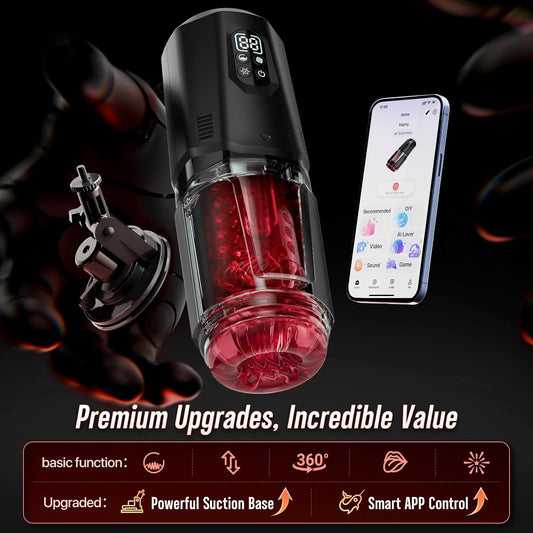
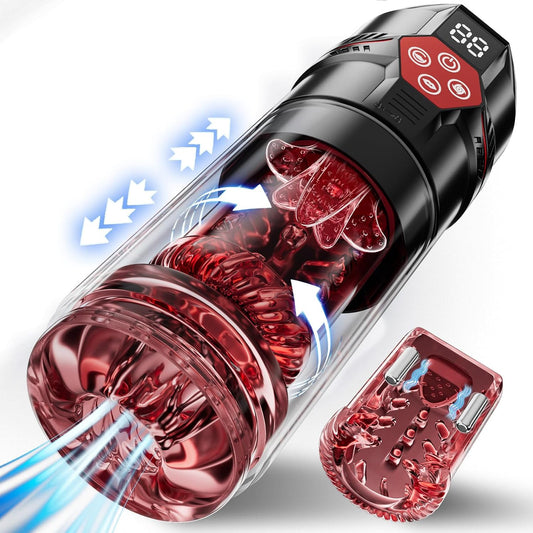
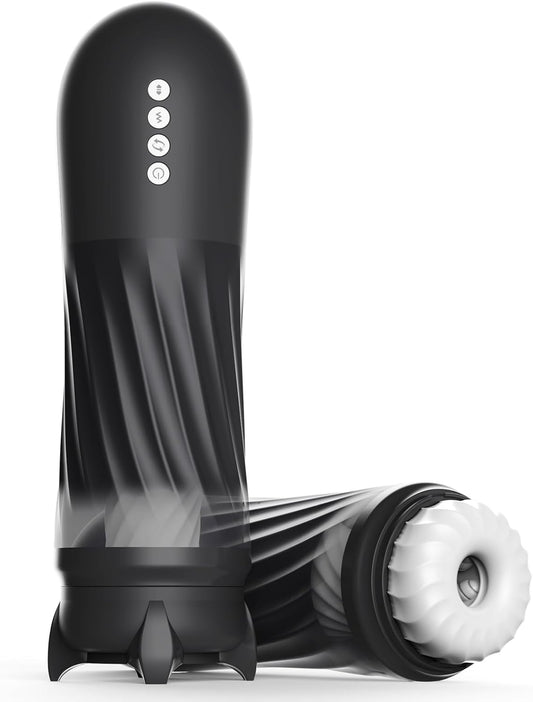
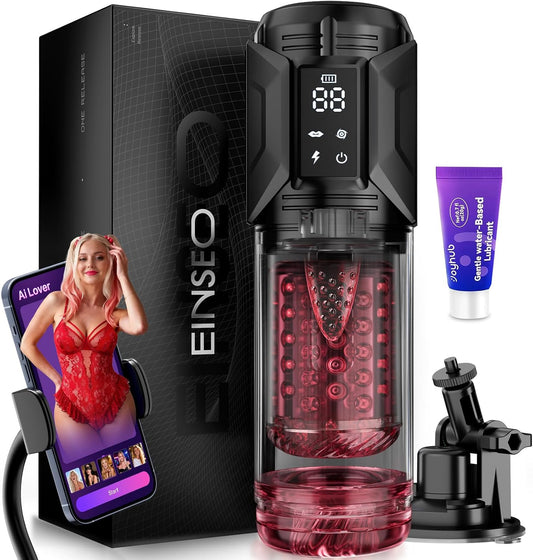
Because genuine pleasure flourishes when pressure fades, these thoughtfully designed wellness devices invite unhurried exploration — helping you and your partner discover what truly feels good, together or on your own:
💝 Recommended for You

💝 Recommended for You

💝 Recommended for You

The Bottom Line
Pretending is common, understandable, and often well-intentioned — but the research suggests it frequently signals something worth paying attention to: insecurity about the relationship itself. The encouraging news is that the cure is not better acting. It is the gradual, courageous practice of honesty, curiosity, and shared exploration. Couples who trade performance for genuine communication do not just improve their intimate lives — they build the kind of security that makes pretending unnecessary.
The HeartCaptor Team shares science-backed insights on intimacy, communication, and wellbeing. Explore our collection of thoughtfully designed wellness products to support your journey toward more authentic connection.
タグ:
前の
Friends with Benefits or Future Romance? What Research Reveals About Hidden Expectations
次
Is Solo Self-Pleasure Actually Healthy? What Science Says About Self-Care and Your Body