



Is Solo Self-Pleasure Actually Healthy? What Science Says About Self-Care and Your Body
Is Solo Self-Pleasure Actually Healthy? What Science Says About Self-Care and Your Body
Few wellness topics carry as much historical baggage as solo self-pleasure. For centuries, cultural warnings insisted that touching yourself could cause everything from blindness to madness. Those myths were never based on evidence — yet their echo still shapes how many people feel about one of the most common and natural forms of self-care. If you have ever wondered whether self-pleasure is "too much," "unhealthy," or somehow wrong, modern science has a clear and reassuring answer.
Researchers in medicine and psychology have studied this question for decades, and their conclusion is remarkably consistent: not only is solo self-pleasure not harmful, it is associated with a range of genuine physical and psychological benefits. Let's look at what the evidence actually says — and how to think about self-pleasure as a healthy part of your overall wellbeing.
Where the Myths Came From
The psychiatrist Thomas Szasz once summarized the strange history of this topic with dry humor: in the nineteenth century, self-pleasure was treated as a disease; by the twentieth, it was recognized as a cure. The old warnings — hairy palms, failing eyesight, moral decay — were products of cultural anxiety, not medical observation. No credible research has ever supported them.
Understanding this history matters because shame is sticky. Even people who intellectually know the myths are false can carry a lingering sense of guilt or worry into their private lives. That leftover shame is itself a wellness issue: research consistently shows that sexual shame and anxiety are linked to lower self-esteem, more stress, and less satisfying intimate relationships. Replacing myth with evidence is not just educational — it is genuinely good for your mental health.
The Documented Health Benefits
When researchers stopped asking "is this dangerous?" and started asking "what does this actually do?", the findings were striking. Solo self-pleasure is associated with several measurable benefits:
1. Higher Self-Esteem and Body Confidence
A classic study published in the Journal of Sex Education & Therapy compared women who engaged in self-pleasure with those who did not, and found that the former group reported higher self-esteem and greater marital and sexual satisfaction. Getting to know your own body — what feels good, what relaxes you, what you enjoy — builds a form of self-knowledge that carries into every other part of life, including partnered intimacy.
2. Support for Men's Prostate Health
For men, the evidence includes a genuinely notable finding: research published in the British Journal of Urology International found that frequent ejaculation was associated with a reduced likelihood of developing prostate cancer later in life. While no single behavior is a guarantee of health, this finding flipped the old narrative completely on its head — regular release appears to be protective, not harmful.
3. Stress Relief and Relaxation
Self-pleasure triggers the release of endorphins, dopamine, and oxytocin — the same neurochemicals involved in relaxation, mood elevation, and better sleep. Many people find that unhurried solo time functions as a form of mindfulness: a few minutes of focused bodily awareness that quiets an anxious mind. Some physicians have even noted unexpected secondary effects, such as temporary relief from nasal congestion.
4. A Naturally Safer Option
To the extent that solo exploration satisfies needs that might otherwise lead to riskier encounters, it also reduces exposure to sexually transmitted infections. It is, quite simply, the safest form of sexual activity that exists — no partner required, no risk of transmission, entirely on your own terms.
Is There Such a Thing as "Too Much"?
This is the question people ask most, and the scientific answer may surprise you: there is no number that experts consider universally "excessive." Studies of college populations suggest averages of roughly 12 times per month for men and 5 times per month for women — but averages describe populations, not prescriptions. Normal human behavior spans a wide range, and being above or below an average says nothing about your health.
The only meaningful standard is functional. Ask yourself two questions:
- Is it interfering with your life? If self-pleasure is making you late for work, replacing obligations, or causing physical discomfort, that pattern is worth examining — not because of morality, but because of balance.
- Is it causing you distress? If you feel your habits are out of alignment with what you want, speaking with a healthcare provider or therapist can help. That conversation is routine for professionals and nothing to be embarrassed about.
If neither applies — if your private habits fit comfortably within a life you feel good about — then the scientific consensus is simple: there is nothing to worry about.
Self-Pleasure as a Wellness Practice
The most useful modern reframe is to stop thinking of solo self-pleasure as a guilty secret and start thinking of it as a legitimate form of self-care — in the same category as exercise, meditation, or a warm bath. Like those practices, it works best when approached with intention rather than haste or shame.
A few principles from wellness research apply directly:
- Slow down. Unhurried exploration builds far more body awareness — and relaxation — than rushing to a finish line.
- Stay curious. Your preferences can evolve over time. Treating solo time as ongoing self-discovery keeps it rewarding rather than routine.
- Drop the performance pressure. There is no goal you must reach and no script you must follow. The benefit is in the experience itself.
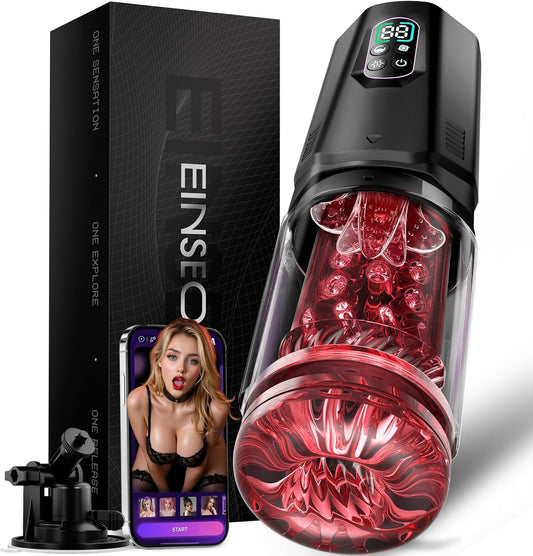
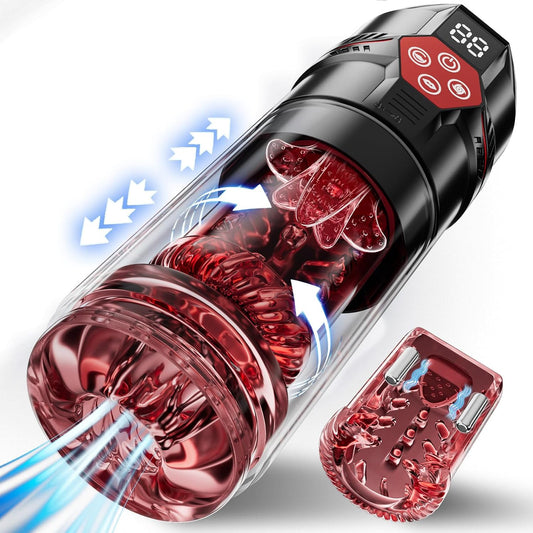
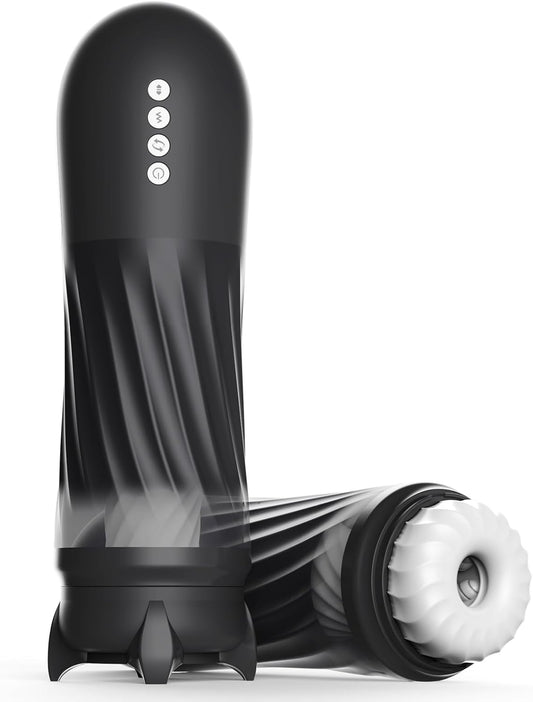
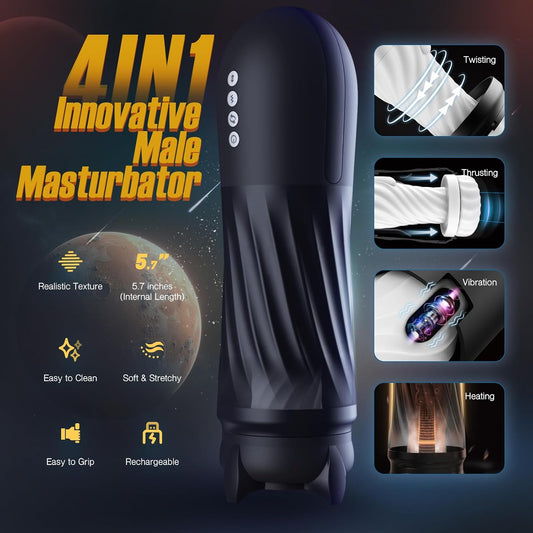
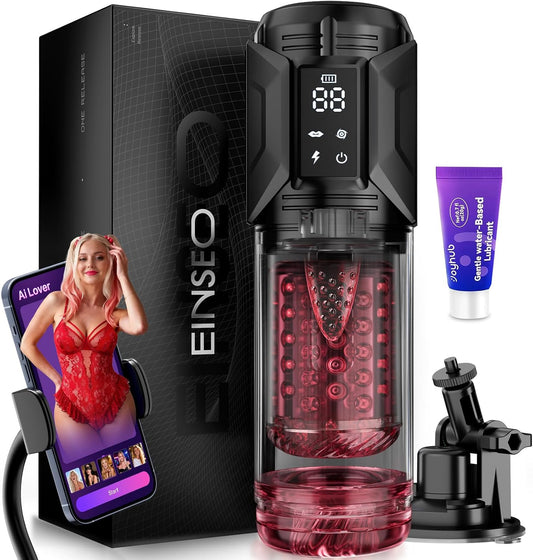
- Use tools that support comfort. Body-safe, thoughtfully designed wellness devices can make exploration more comfortable, more varied, and more relaxing — especially for people learning what they enjoy.
Because unhurried, pressure-free exploration is the healthiest way to get to know your own body, these body-safe wellness companions are designed to make solo self-care more comfortable, relaxing, and rewarding — whether you are just beginning your journey of self-discovery or deepening it:
💝 Recommended for You

💝 Recommended for You

What This Means for Your Relationships
Interestingly, the benefits of healthy solo exploration do not stay solo. People who understand their own bodies communicate more clearly with partners, experience less performance anxiety, and report more satisfying shared intimacy. Self-knowledge is the foundation of good communication — and communication is the foundation of connection.
For couples, this suggests something worth discussing openly: rather than viewing a partner's solo time as competition or a sign of distance, many relationship researchers encourage seeing it as complementary. A person who feels comfortable with their own body brings that confidence into the relationship. Healthy partners cheer each other's wellbeing — together and apart.
The Bottom Line
The science could hardly be clearer. Solo self-pleasure does not damage your health — the evidence points in the opposite direction, linking it to higher self-esteem, stress relief, better body awareness, and even protective effects for men's prostate health. There is no magic number that defines "too much," only the practical question of whether your habits fit the life you want.
If you have carried old myths or quiet guilt about this most common of human behaviors, consider this your permission to let them go. Self-care is not selfish, and knowing your own body is not shameful — it is one of the simplest, safest, and most genuinely healthy things you can do for yourself.
The HeartCaptor Team shares science-backed insights on sexual health, self-care, and wellbeing. Explore our collection of body-safe wellness products designed to support your personal journey — with comfort, curiosity, and zero judgment.
タグ: