









Does It Matter How You Met? What Science Says About Online Relationships and Lasting Love
Not long ago, telling friends you met your partner online came with an apologetic shrug. Many people worried that admitting to online dating would make them look desperate, or that a relationship born on a screen was somehow less "real" than one that began at a dinner party or through mutual friends. If you have ever felt that flicker of embarrassment, you are not alone—and the science has genuinely good news for you.
Research drawing on a nationally representative survey of more than 3,000 romantic couples set out to answer a simple question: are couples who meet online any worse off than couples who meet in more traditional ways? The answer turns out to be a reassuring no. But the deeper lesson of this research goes beyond dating apps—it speaks to what actually makes relationships thrive, and how couples everywhere can build stronger intimacy and connection.
The Surprising Stigma of Digital Romance
Online dating is now remarkably common. Research indicates that about one in five heterosexual couples—and two in five same-sex couples—in the United States met online. For LGBTQ+ individuals especially, digital spaces have opened doors to connection that geography and small local communities often made difficult.
Yet despite this popularity, a lingering stigma remains. Psychologists have documented that people sometimes feel embarrassed to admit they belong to a dating site, fearing it signals desperation. Others worry about well-known problems like exaggerated or misleading profiles. Between social prejudice and skepticism about honesty, online romances can appear doomed from the start—at least in the popular imagination.
Here is the twist: when researchers actually measured relationship outcomes, the popular imagination turned out to be wrong.
What the Research Actually Found
The nationally representative study compared couples who met online with couples who met through family, friends, neighbors, school, or work. Two key outcomes were measured: relationship satisfaction and breakup rates.
On satisfaction, couples who met online were at least as satisfied with their relationships as couples who met through traditional channels. The way a couple first connected simply did not predict how happy they would be together.
On stability, the findings were equally striking. Among couples who met on the internet, 15.6% broke up within one year. Among couples who met offline, the figure was 17.8%. If anything, the online couples had a slight edge—though the researchers emphasized that the rates were not substantially different. The honest conclusion is that relationship quality is not a function of how a couple meets.
Why "How You Met" Matters Less Than "What You Build"
These findings carry a liberating message: there is no single correct way to begin a love story. A chance meeting at a bookstore is not inherently more romantic or more durable than a thoughtful exchange of messages. What predicts whether a relationship flourishes is what happens after the first meeting—the communication, trust, curiosity, and care that two people invest over time.
This insight is worth internalizing, because stigma can be corrosive. When couples feel embarrassed about their origin story, they may unconsciously treat their relationship as less legitimate. The research invites us to drop that baggage. Whether you met across a crowded room or across a crowded app, your relationship deserves the same pride and the same intentional nurturing.
From First Messages to Lasting Intimacy
Many couples who meet online spend weeks or months building a connection through conversation before sharing physical space. Far from being a disadvantage, relationship researchers note that this slow-burn beginning can develop a genuine strength: comfort with verbal intimacy. Couples who learn early to express desire, affection, and vulnerability in words often carry those communication skills into their life together.
And for couples who remain long-distance for a season—or who simply spend workdays apart—technology continues to be an ally rather than an obstacle. Thoughtful rituals keep desire alive across miles:
- Protect time for real conversation. Not just logistics, but open-ended talk about feelings, hopes, and your inner world. Emotional intimacy is the engine of physical intimacy.
- Create shared anticipation. A playful message, a plan for your next evening together, or a surprise delivery can keep excitement humming between visits.
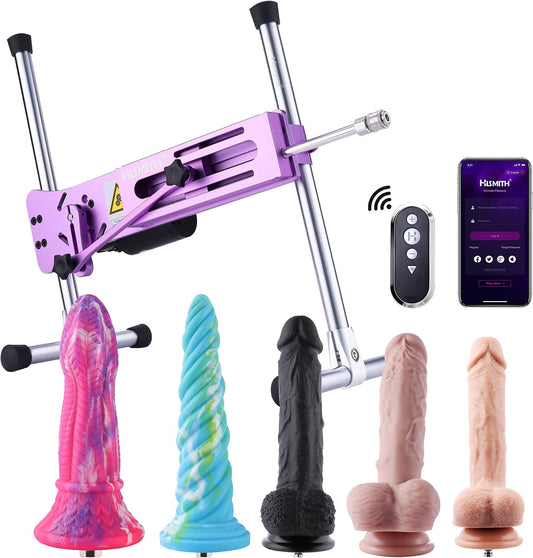
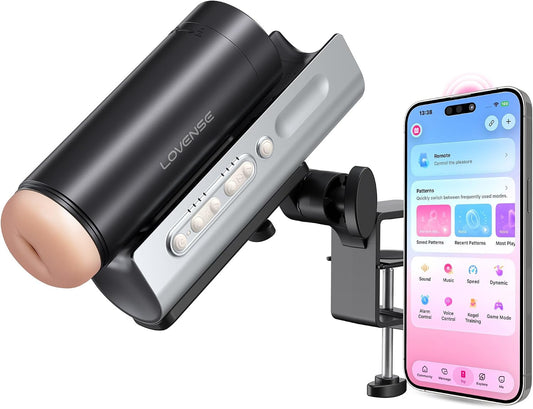
- Embrace connection tools without shame. Just as there is no "correct" way to meet, there is no "correct" way to stay close. App-connected intimacy devices now let partners share playful, affectionate moments even when they are apart—turning technology into a bridge rather than a barrier.
- Reunite intentionally. When you do share space, treat it as an occasion. Couples who ritualize reunion—an unrushed evening, phones away, attention fully on each other—report deeper satisfaction.
- Keep curiosity alive. The same openness that led you to try a new way of meeting people can fuel ongoing discovery of each other.
Keeping the Spark Across Any Distance
The broader takeaway from this research is that intimacy is built, not found. Couples who meet online already know something valuable: connection can flourish through creativity, honesty, and a willingness to use the tools available. That mindset is exactly what keeps long-term relationships vibrant long after the honeymoon phase.
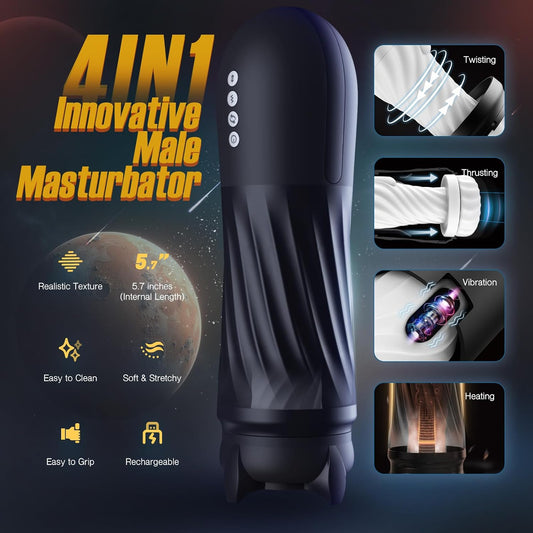
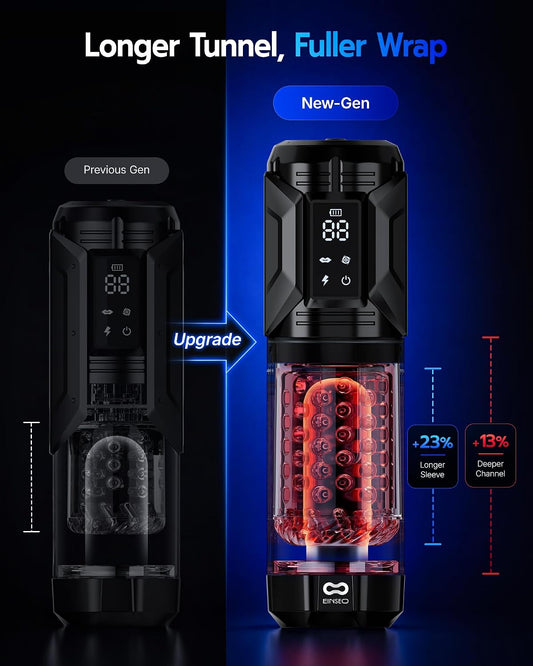
Couples who meet online already know the secret: connection thrives on creativity and the right tools. Whether you're nurturing a long-distance spark or simply keeping everyday intimacy playful, these app-connected picks are designed to bring partners closer—across any distance.
💝 Recommended for You

💝 Recommended for You

💝 Recommended for You

The Bottom Line
Decades of folk wisdom suggested that meeting online was a second-rate way to find love. The data tells a different story. Couples who meet online are just as satisfied and just as stable as couples who meet any other way. What matters is not the origin story—it is the ongoing story you write together.
So if you met your partner online, celebrate it. And whatever your beginning, remember the real secret the research points toward: keep your mind open, keep communicating, and keep exploring different avenues to love. That openness is not just how relationships start. It is how they last.
The HeartCaptor Team is dedicated to sharing science-backed insights that help you build deeper intimacy and connection—no matter how your story began. Explore our collection of thoughtfully designed products to support your journey toward lasting closeness.
タグ:
前の
What Your Sexual Fantasies Really Mean: The Psychology of Desire and How Sharing Them Deepens Intimacy
次
How Common Is Cheating? What Decades of Research Reveal About Trust and Connection