




The Investment Model: What Science Says Really Keeps Couples Committed
Why do some relationships thrive for decades while others quietly fade? According to decades of social psychology research, the answer has less to do with luck or chemistry and more to do with something surprisingly practical: investment. The Investment Model of commitment, one of the most well-supported frameworks in relationship science, suggests that what we pour into a relationship — our time, our emotional energy, our shared plans — shapes how committed we feel to staying in it.
In this article, we'll unpack what researchers have discovered about relationship investments, why some kinds of investments matter far more than others, and how couples of every orientation can use these insights to build deeper, more resilient intimacy.
What Is the Investment Model of Commitment?
The Investment Model, developed by psychologist Caryl Rusbult and later confirmed in a landmark meta-analysis by Le and Agnew (2003), proposes that commitment to a partner rests on three pillars: how satisfied you are, what alternatives you perceive, and — critically — how much you have invested in the relationship.
Investments are any resources attached to a relationship that would be lost or diminished if it ended. Researchers divide them into two broad categories:
- Tangible investments — material resources such as joint bank accounts, shared homes and possessions, pets, and intertwined finances.
- Intangible investments — non-material contributions such as time, effort, emotional disclosure, personal sacrifices, shared identity, and plans for the future.
Both types raise the "cost" of leaving, but research increasingly shows they do not carry equal weight when it comes to keeping couples together.
Intangible Investments: The Universal Glue
One of the most striking findings in this area of research is how consistently intangible investments predict commitment. Studies examining both heterosexual and same-sex couples — including research by Lehmiller (2010) on gay and heterosexual men and later work on lesbian relationships — found that emotional investments and personal sacrifices are powerful predictors of commitment regardless of sexual orientation.
In other words, the late-night conversations, the vulnerability of sharing your fears, the compromises you make, and the dreams you build together are the true glue of lasting relationships. This holds across gay, lesbian, and heterosexual partnerships alike — a reminder that the emotional mechanics of love are deeply human and remarkably universal.
Why Material Things Matter Less Than You Think
Here's where the research gets interesting. While tangible investments do predict commitment in heterosexual couples, studies have found they play a significantly weaker role in same-sex couples. Why?
One compelling explanation involves legal and social structures. Historically, same-sex couples lacked formal legal recognition of their relationships, so money and possessions were less likely to become joint property. Partners often kept separate accounts and made individual purchases — meaning that if the relationship ended, belongings could be cleanly divided into "yours" and "mine." For heterosexual married couples, by contrast, shared property laws entangle material resources with the relationship itself, raising the practical stakes of separation.
The takeaway isn't that shared mortgages are meaningless — it's that material entanglement keeps people together structurally, while emotional investment keeps them together willingly. Couples who rely primarily on shared assets to hold their relationship together may stay, but it's the intangible investments that make staying feel worthwhile.
How to Invest in Your Relationship (Starting Tonight)
The science points to a clear, hopeful message: commitment is something you actively build. Here are research-aligned ways to strengthen your intangible investment portfolio:
1. Prioritize emotional disclosure
Sharing your inner world — hopes, anxieties, desires — is one of the most powerful investments you can make. Set aside regular, distraction-free time to talk about more than logistics. Ask your partner what they've been dreaming about lately, and really listen.
2. Create shared plans and rituals
Plans for the future count as investments. Whether it's planning a trip, a shared project, or a weekly ritual that's uniquely yours, building a joint future deepens the sense of "us."
3. Make meaningful sacrifices (and notice your partner's)
Small acts of giving — adjusting your schedule, showing up when it's inconvenient — signal commitment. Just as important: acknowledge when your partner does the same. Feeling seen multiplies the value of every investment.
4. Invest in shared intimate experiences
Physical intimacy is also a form of emotional investment. Couples who intentionally carve out time to explore, play, and connect physically are investing in their bond. Novelty and mutual attentiveness in intimate moments reinforce the closeness that predicts long-term commitment.
The Bottom Line
Across orientations and relationship structures, the research converges on a simple truth: what keeps couples together isn't what they own — it's what they've given. Time, vulnerability, shared dreams, and intentional connection are the investments that pay the deepest dividends in commitment and satisfaction.
The encouraging news? Unlike financial markets, your relationship's investment account is entirely within your control. Every honest conversation, every act of care, every moment of intentional intimacy is a deposit toward a stronger bond.
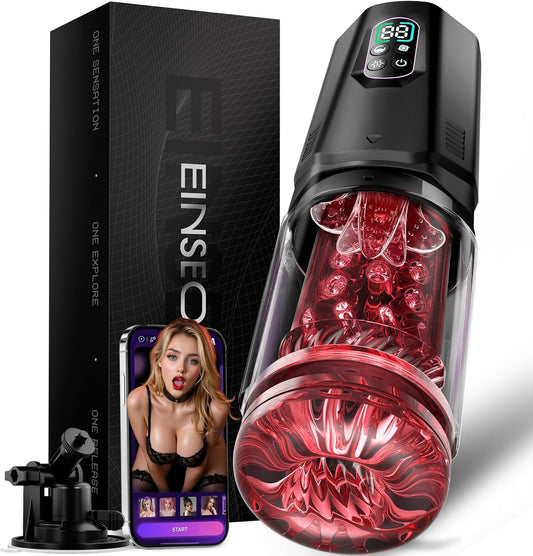
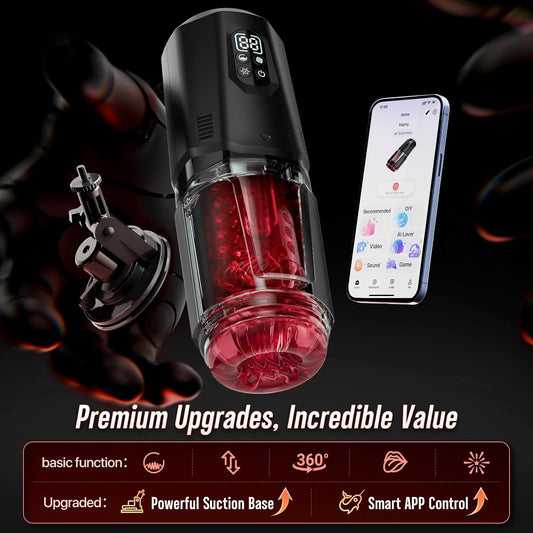
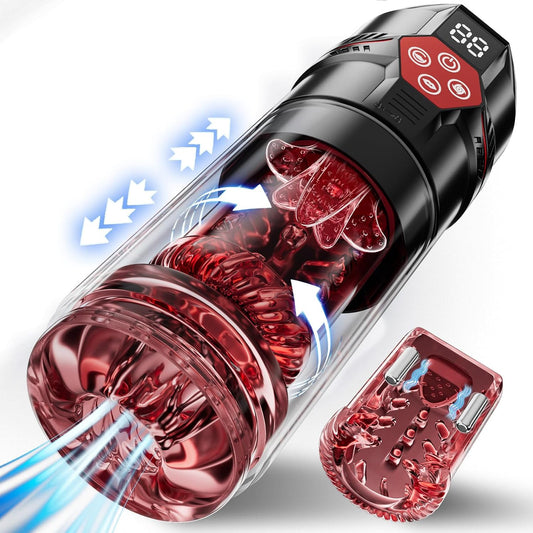
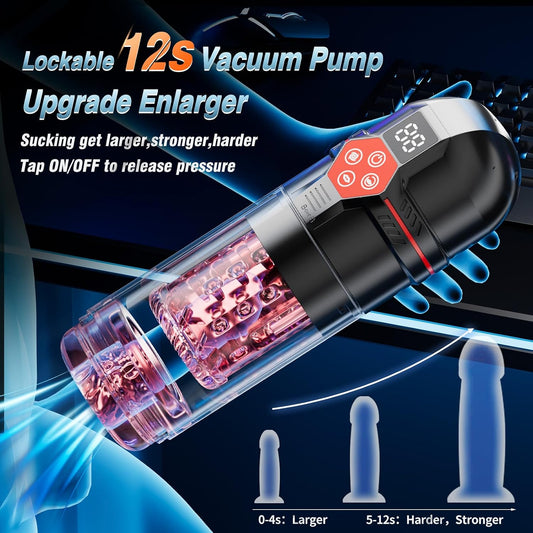
Intentional shared experiences are one of the most rewarding investments a couple can make. If you're looking to dedicate quality time to exploring and reconnecting together, these thoughtfully designed intimacy devices can help you turn intentional moments into lasting memories:
💝 Recommended for You

💝 Recommended for You

💝 Recommended for You

Curious about more science-backed ways to strengthen your connection? Explore our blog for research-based insights on intimacy, communication, and relationship wellness.
タグ: