






How Sex Toys Are Revolutionizing Intimacy: What the Latest Research Reveals
Not long ago, talking about sex toys in public would raise eyebrows. Today, they're part of a mainstream conversation about wellness, relationships, and self-knowledge — and the data backs up just how significant this shift has become. A nationally representative 2024 survey from the Kinsey Institute, conducted in partnership with the sexual wellness brand We-Vibe, offers some of the clearest numbers yet on how Americans actually use intimate wellness devices, and what those devices are doing for their satisfaction, desire, and connection.
Whether you're single, partnered, curious, or experienced, the research paints a consistent picture: sex toys are no longer a niche accessory. For many people, they're a meaningful tool for better intimate health.
How Common Are Sex Toys, Really?
The Kinsey Institute survey asked 1,500 American adults, ages 18 to 88, about their attitudes toward and experiences with sex toys. The results show that use is far more widespread than many people assume:
- Nearly half of women (44%) and more than a quarter of men (27%) reported having used a toy during solo intimacy.
- During partnered sex, both men and women reported using toys on roughly 13–14% of occasions — about one in every seven times.
- The average American adult reported owning two sex toys.
In other words, if you've ever wondered whether exploring toys is "normal," the answer is an emphatic yes. Millions of people are already integrating them into both their solo self-care and their shared intimate lives.
The Science-Backed Benefits of Using Sex Toys
Popularity alone doesn't tell us much — the more interesting question is what toys actually do for people. The Kinsey Institute findings point to a clear association: sex toy use, whether solo or partnered, was linked with higher sexual satisfaction. Researchers suggest several reasons why.
1. They help you understand your own body
Toys offer a low-pressure way to learn what feels good, what doesn't, and how your body responds to different kinds of stimulation. That self-knowledge tends to carry over into partnered experiences, making it easier to communicate preferences with confidence.
2. They can make pleasure more accessible
For many people — especially women — toys can make orgasms easier to reach or more intense. A 2022 review published in the Journal of Sexual Medicine (Dubinskaya et al.) found that vibrator use was commonly associated with enhanced sexual experiences, increased desire, greater satisfaction, and improved sexual functioning for women.
3. They may have genuine therapeutic value
Another clinical review (Miranda et al., 2019) found that certain devices — including vibrators, constriction bands, and vacuum devices — can be clinically useful for men navigating sexual difficulties. Sexual wellness researchers increasingly view these tools not as novelties, but as legitimate aids for intimate health.
4. They improve sexual communication
Perhaps the most underrated benefit: choosing, discussing, and using a toy together requires conversation. Couples who navigate that conversation often report that it opens the door to talking more honestly about desire in general.
Novelty: The Hidden Engine of Desire
Psychologists have long emphasized the role of novelty in sustaining desire within long-term relationships. Research by Muise and colleagues (2019) shows that engaging in "self-expanding" activities — anything new and growth-oriented, sexual or not — boosts desire, intimacy, and the likelihood of sexual activity.
Sex toys are one of the most accessible forms of sexual novelty available. The COVID-19 pandemic offered a striking natural experiment: about one in five adults reported trying something new sexually during that period, with sex toys among the most common additions. And here's the key finding — those who experimented were three times more likely to report improvements in their sex lives compared to those who didn't (Lehmiller et al., 2021).
Novelty doesn't require anything elaborate. Sometimes it's as simple as introducing one thoughtfully chosen device into a routine that had started to feel predictable.
What's Holding People Back — and How to Move Past It
Despite the benefits, many people still hesitate. According to the Kinsey Institute survey, the most common barriers to using toys with a partner are emotional, not practical:
- Uncertainty about how to bring up the topic
- Worry about how a partner might react
- Not knowing how to use a toy together
The encouraging news is that each of these barriers responds well to simple, low-pressure strategies:
- Frame it around mutual pleasure. Position the idea as something you're curious to explore together, not a critique of your current intimacy.
- Choose a toy together. Browsing and deciding as a team turns an awkward conversation into a shared, playful project.
- Start solo or take turns watching. Seeing how one partner enjoys a device first can demystify it before you incorporate it into partnered play.
- Keep the conversation open. Check in afterward — what worked, what didn't, what you'd try next. Communication is the real engine here; the toy is just the catalyst.
From Classics to Cutting-Edge
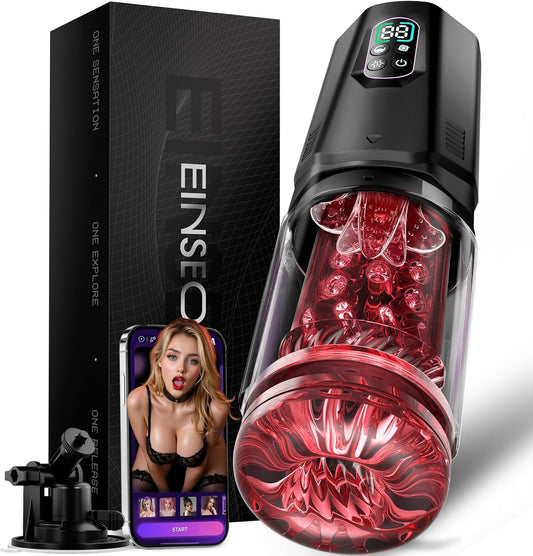
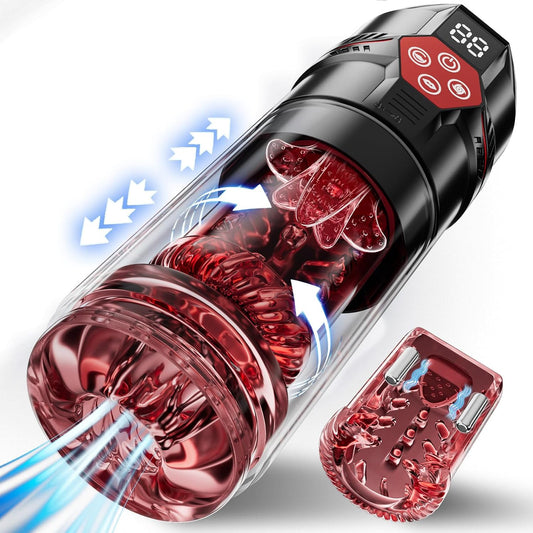
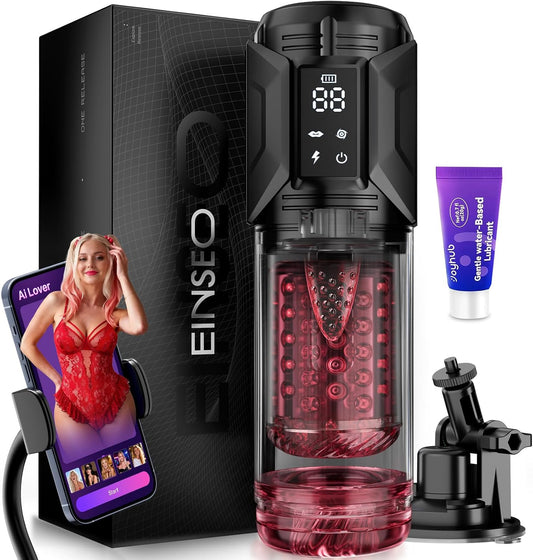
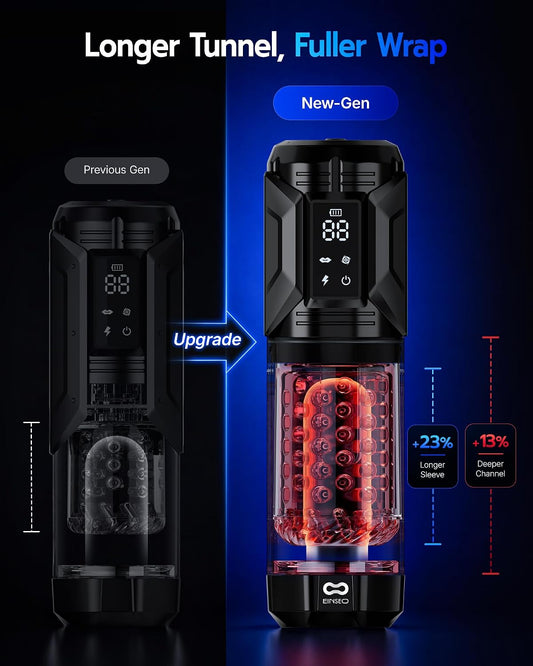
Today's intimate wellness landscape spans everything from simple, time-tested designs to app-connected and AI-enhanced devices that can be controlled across a room — or across an ocean. The research suggests you don't need the most advanced option to benefit; what matters is finding something that fits your comfort level, your body, and your relationship.
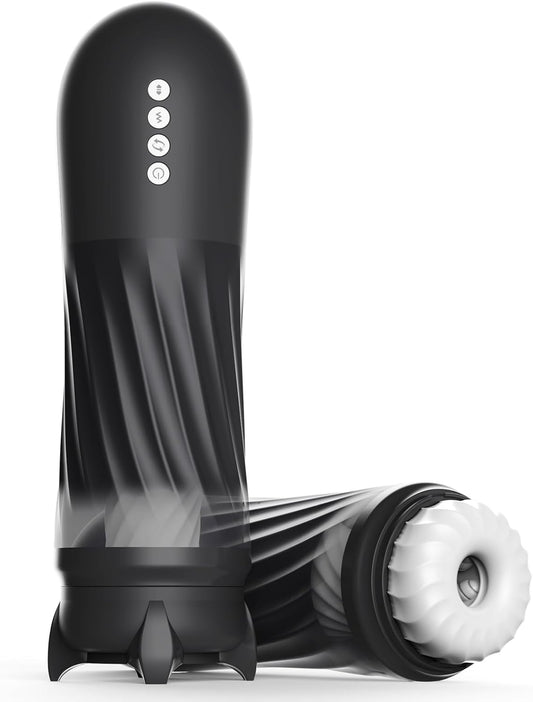
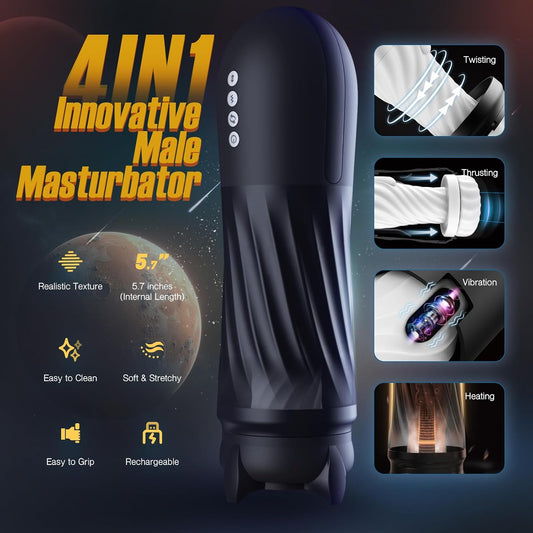
Ready to bring a little science-backed novelty into your own routine? These thoughtfully designed picks are a comfortable place to start — whether you're exploring solo, shopping together as a couple, or curious about the app-connected innovations the research mentions.
💝 Recommended for You

💝 Recommended for You

💝 Recommended for You

The Takeaway
The taboo around sex toys is fading for a reason: the evidence shows they can support satisfaction, desire, self-knowledge, and even sexual function — for individuals and couples alike. If you've been curious, consider this your sign from the science. Start small, talk openly, and treat exploration as an act of care — for yourself and for your connection with a partner.
タグ:
前の
Does Playing Hard to Get Actually Work? What Science Says About Attraction
次
Do Women's Economic Gains Threaten Romance? What Relationship Science Actually Says