








Does Playing Hard to Get Actually Work? What Science Says About Attraction
Every January, dating apps see their biggest surge of the year as people resolve to find meaningful connection. And every January, the same age-old question resurfaces: should you play it cool, or wear your heart on your sleeve? The idea of "playing hard-to-get"—acting romantically elusive to make someone want you more—is one of the most debated dating strategies in modern culture. But does it actually work?
A comprehensive new review published in The Journal of Sex Research set out to answer exactly that. Analyzing 18 studies on the tactic, researchers offer the first empirical map of when mystery fuels attraction—and when it quietly sabotages your chances. The findings are more nuanced, and more useful, than the pop-culture advice you have probably heard.
What "Playing Hard-to-Get" Really Means
Playing hard-to-get involves intentionally holding back: delaying text replies, avoiding overt displays of interest, or staying vague about your feelings. The theory is simple—uncertainty creates intrigue, and intrigue makes the other person invest more effort in winning you over.
It is a strategy deeply embedded in movies, dating books, and well-meaning advice from friends. Yet in an era of instant messaging and growing appreciation for emotional transparency, many daters wonder whether elusiveness now reads as manipulation rather than allure. Science has a surprisingly balanced answer.
The Case for a Little Mystery
The review identified several studies where a degree of unavailability genuinely boosted attraction. In one experiment, women thought about—and felt more drawn to—men when they were uncertain how those men had rated them, compared to when they knew the verdict was positive or lukewarm. Uncertainty, it turns out, keeps the mind busy. We ruminate on unsolved puzzles, and that mental airtime can intensify interest.
Another finding highlights the power of selective hard-to-get. When someone was available to you but unattainable to everyone else, they were liked significantly more than people who were aloof with everyone. Being the chosen exception makes us feel special—and feeling special is powerfully attractive. Participants who interacted with selectively hard-to-get partners even walked away with higher self-esteem.
The takeaway: mystery works best when it carries an implicit message of "I choose you," not "I am above everyone."
The Goldilocks Zone of Availability
Perhaps the most practical insight from the research is that attraction follows a Goldilocks pattern. Being too hard-to-get backfires—people feel undesirable and their interest drops. Being too easy-to-get can also dampen attraction, because effort and anticipation are part of what makes early romance exciting.
The sweet spot is moderate availability: warm, responsive, and clearly interested—yet not instantly and completely attainable. Think of it as pacing rather than games. Letting anticipation build naturally over a few dates is very different from manufacturing confusion to keep someone hooked.
When the Strategy Backfires
For every study showing benefits, the review surfaced evidence of real risks. Several key limitations are worth knowing before you adopt this approach:
- Clear communicators win long-term. People consistently prefer partners who openly express romantic interest, and they are more motivated to see those people again. Directness builds the trust that early uncertainty cannot.
- Uncertainty-intolerant daters walk away. Many people simply dislike ambiguity in dating. For them, hard-to-get behavior triggers disinterest, not desire—and they will move on to someone more forthcoming.
- Lab findings have limits. Much of the research relies on hypothetical scenarios and profile reviews rather than real-world first meetings. Real chemistry is messier than any experiment.
In short, playing hard-to-get is a gamble. It might spark short-term intrigue, but it can just as easily read as disinterest or game-playing—especially with emotionally mature partners who value authenticity.
A Healthier Approach: Earned Intimacy Over Manufactured Mystery
Rather than treating attraction as a strategy to deploy, relationship science points toward a more sustainable mindset: let closeness be earned gradually, not withheld artificially. There is a meaningful difference between the two.
Earned intimacy means revealing yourself layer by layer as trust develops. It means being genuinely busy with a full life—hobbies, friendships, goals—rather than performing busyness. It means responding warmly while still allowing the natural rhythm of getting to know someone to unfold. This preserves everything that makes mystery attractive (anticipation, discovery, the thrill of being chosen) without the manipulation that erodes trust.
Practical ways to apply this:
- Be responsive, not instantly available. Reply when you genuinely can, and do not apologize for having a life.
- Express interest clearly, escalate gradually. Saying "I really enjoyed tonight" is attractive; planning your future together on date two is overwhelming.
- Keep some experiences to look forward to. Save certain activities, places, and conversations for future dates so anticipation can build naturally.
- Choose partners who choose you back. The healthiest dynamic is mutual enthusiasm with mutual pacing—not one person chasing while the other retreats.
Building Anticipation Together
Once a connection is established, the psychology of anticipation does not stop working—it simply becomes something you create together rather than something one person weaponizes. Playful teasing, flirtatious surprises, and planned date-night excitement all harness the same uncertainty-and-reward circuitry that makes early attraction so electric.
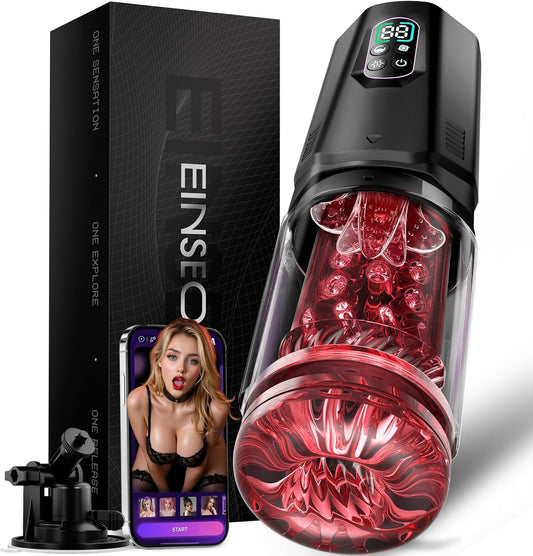
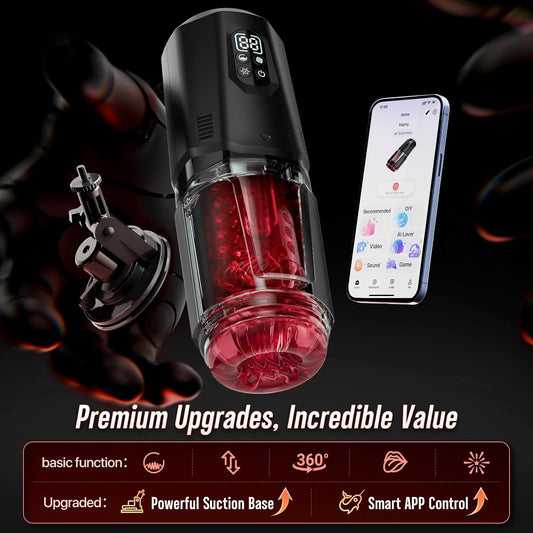
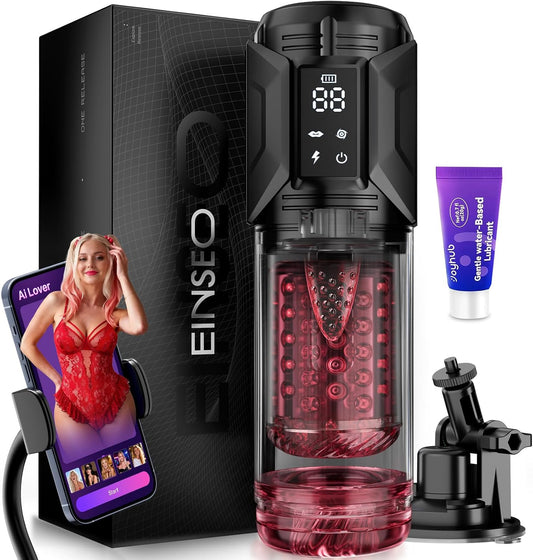
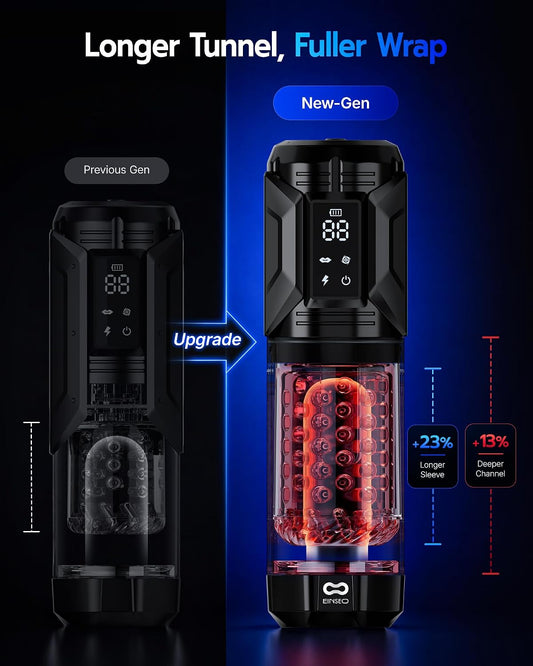
The thrill of anticipation does not have to end once you are together—it can become something you create as a team. These thoughtfully selected pieces are designed to help you carry that spark of mystery and playful tension into your relationship: a little confidence-boosting allure for date night, and shared sensations that turn teasing and anticipation into mutual pleasure.
💝 Recommended for You

💝 Recommended for You

💝 Recommended for You

Conclusion
So, does playing hard-to-get pay off? The science says: sometimes, briefly, and mostly in moderation. A touch of mystery and a gradual pace can amplify attraction, particularly when the other person feels uniquely chosen. But chronic elusiveness tends to repel the very partners most worth keeping—those who value honesty, emotional availability, and mutual effort.
The most attractive strategy is not a strategy at all: live a full life, communicate your interest clearly, and let intimacy deepen at a pace that feels exciting rather than anxious. That is the kind of hard-to-get that never goes out of style—because it is not an act.
HeartCaptor Team is dedicated to sharing science-backed insights that help you build deeper intimacy and connection. Explore our collection of thoughtfully designed products to support your journey toward more playful, authentic relationships.
タグ:
前の
What Sex Researchers Learned This Year: 3 Science-Backed Ways to Strengthen Intimacy
次
How Sex Toys Are Revolutionizing Intimacy: What the Latest Research Reveals