





How Much Sex Is Too Much? What Science Says About Frequency, Female Pleasure, and Playing It Safe
It's one of those questions almost everyone has quietly wondered about: Can you have too much sex? Whether the concern is about partnered intimacy or solo pleasure, many people worry that a very active sex life might somehow be bad for the body. Alongside that question come two more classics — is female ejaculation real, and why do erectile-dysfunction medication ads carry that alarming warning about erections lasting more than four hours?
Let's look at what sexual health research actually says, because the answers are more reassuring — and more useful — than you might expect.
Is There Such a Thing as Too Much Sex?
The short answer, according to researchers, is no — not in the way most people fear. Worries that frequent sex or masturbation will "wear out" the body, drain your energy, or damage your health simply aren't supported by evidence. In fact, the research points in the opposite direction: people who experience orgasm more often tend to report better overall health, not worse.
One widely cited study published in the British Journal of Urology International examined sexual factors and prostate health and found that higher ejaculation frequency was associated with favorable health outcomes in men. Far from being harmful, regular sexual release appears to be part of a healthy adult life for most people.
There is, however, one genuinely important caveat — and it has nothing to do with frequency itself. The real health risks in an active sex life come from how sex is practiced, not how often:
- Unprotected sex with multiple partners raises the risk of sexually transmitted infections, regardless of how frequently you're intimate.
- Skipping barrier protection with a partner whose status you don't know is where the danger lives — not in the act itself.
In other words, an enthusiastic sex life practiced safely and consensually is not just fine — it may actually be good for you. The body doesn't have a "quota" of orgasms it's allowed before trouble starts. What matters is protection, communication, and mutual care.
Is Female Ejaculation Real?
Yes — and this is one of the oldest documented facts in the history of sexual medicine. Written references to female ejaculation go back as far as Aristotle and Galen, yet the topic is still surrounded by doubt and embarrassment today.
Modern sexual medicine confirms that the release of fluid during orgasm — sometimes called "squirting" — is a genuine physiological response. It most often accompanies stimulation of the G-spot, an area on the front wall of the vagina rich in sensitive tissue. The fluid is thought to originate from a network of ducts and glands around the urethra that are functionally similar to the male prostate — sometimes referred to as the "female prostate" or Skene's glands.
A few things worth knowing:
- It's normal either way. Some women experience ejaculation, many don't, and both patterns are completely healthy. Its absence says nothing about the quality of someone's pleasure or orgasms.
- G-spot stimulation is the usual trigger. Because the G-spot responds to firm, sustained pressure rather than light touch, many women only discover this response with targeted stimulation — through a partner's attentiveness or a purpose-designed wellness device.
- It's still being studied. Researchers acknowledge there's much we don't yet understand, including why the response varies so much between individuals.
The takeaway for couples: curiosity and patience beat pressure every time. Treating exploration as play rather than a goal to achieve tends to produce the best — and most relaxed — outcomes.
That Four-Hour Warning on ED Medication: What's It Really About?
If you've ever seen an advertisement for erectile-dysfunction medication, you've heard the warning: "In the rare event of an erection lasting more than four hours, seek immediate medical help." It sounds almost like a punchline — but it refers to a real medical emergency called priapism.
Priapism is an erection that won't subside, even without continued sexual stimulation. Here's why it matters:
- During a prolonged erection, blood becomes trapped in the penis and oxygen supply to the tissue drops.
- The condition is often genuinely painful — nothing like a normal erection.
- If untreated, it can permanently damage penile tissue and cause lasting erectile difficulties — the exact opposite of what the medication is meant to achieve.
The lesson isn't to fear ED medications, which are safe and effective for most men when used as prescribed. It's to take the warning seriously: an erection lasting beyond four hours is a "go to the emergency room now" situation, not a "wait and see" one. Prompt treatment protects long-term sexual function.
What This All Adds Up To
Taken together, these three answers share a common thread: sexual wellbeing is less about limits and more about knowledge. Frequency isn't the enemy — unsafe practice is. Bodies vary enormously — and that variation is normal. And the small print in health advertising sometimes describes real risks worth understanding rather than joking about.
For individuals and couples alike, the healthiest intimate life tends to be built on a few simple foundations: stay informed, protect yourself and your partners, communicate openly about what feels good, and give yourself permission to explore at your own pace. Regular pleasure — solo or shared — isn't something to ration out of fear. It's a legitimate part of self-care, stress relief, and connection.
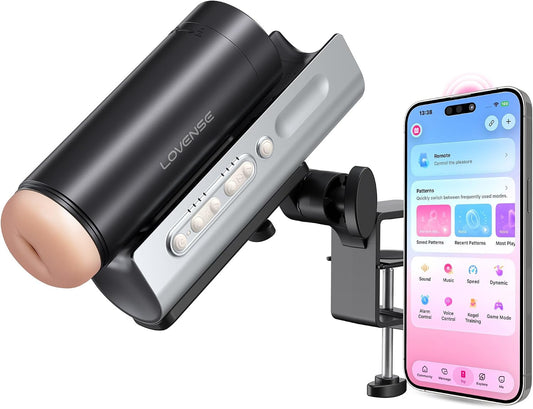
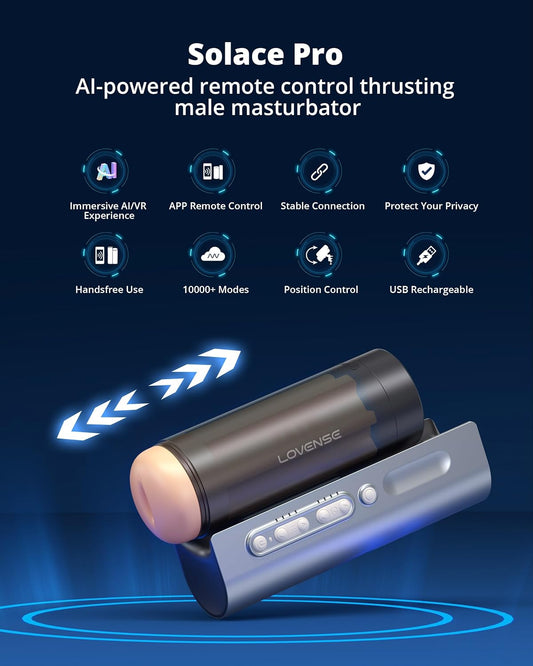
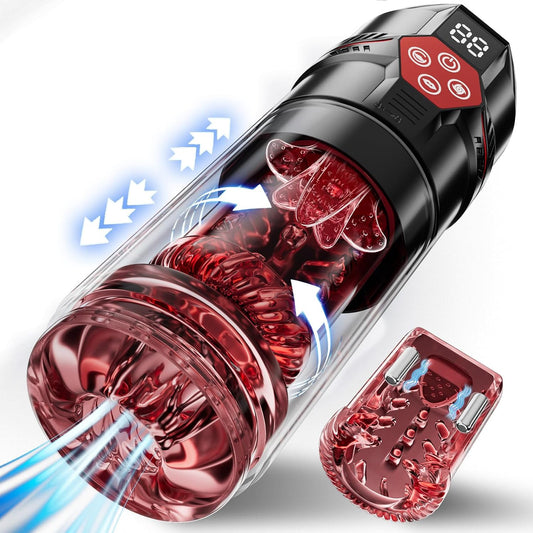
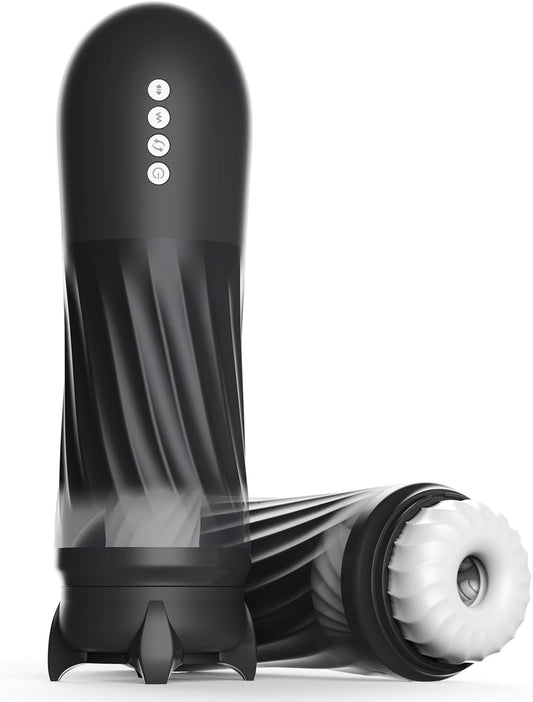
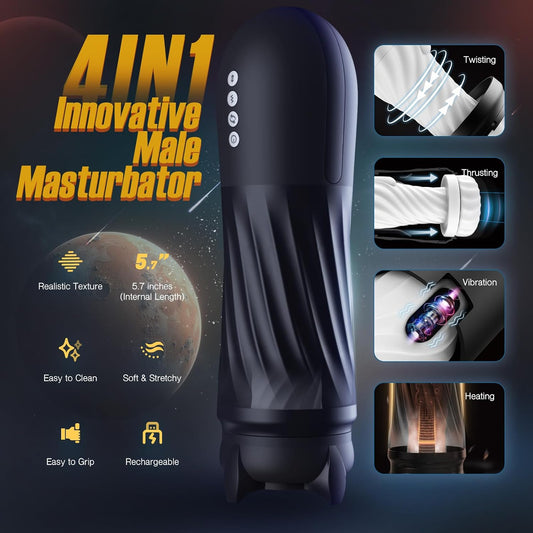
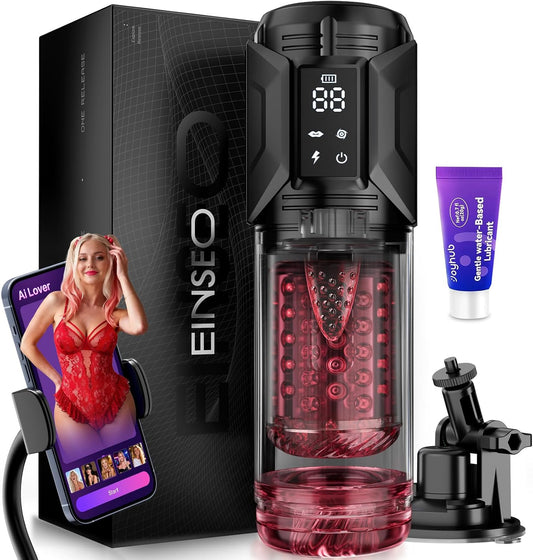
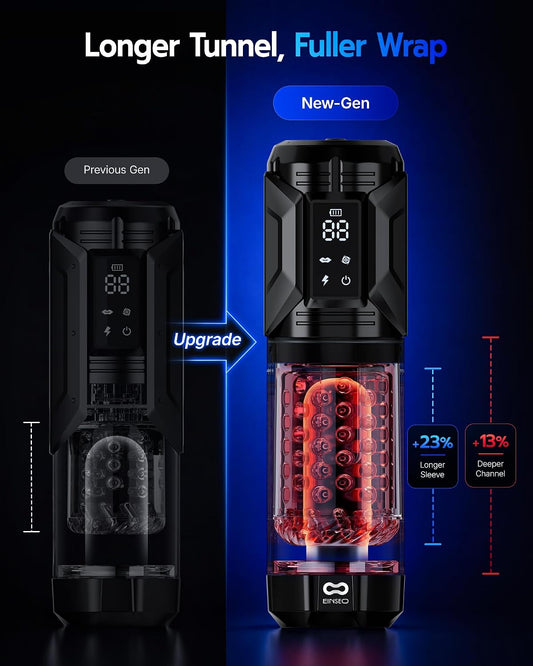
Curious to put this knowledge into practice? Whether you're exploring the G-spot's potential, supporting prostate health through regular release, or simply making solo self-care part of your routine, these thoughtfully designed wellness devices are reader favorites:
💝 Recommended for You

💝 Recommended for You

💝 Recommended for You

The Bottom Line
You almost certainly can't have "too much" sex — but you can absolutely have better-informed, safer, and more satisfying sex. Understanding how your body (and your partner's body) actually works is the foundation of everything else: better communication, deeper relaxation, and more confidence in the bedroom.
Keep asking questions. The science of sexual health has come a long way, and the more we learn, the clearer the message becomes: pleasure practiced safely is good for you.
The HeartCaptor Team shares science-backed insights to help you build a healthier, more confident intimate life. Explore our collection of thoughtfully designed wellness products to support your journey.
タグ:
前の
The Pleasure Timing Gap: What Science Tells Us About How Men and Women Reach Climax
次
The Hymen Myth: What Science Really Says About Virginity and Women's Bodies