




The Pleasure Timing Gap: What Science Tells Us About How Men and Women Reach Climax
How long does it actually take to reach orgasm? It's one of the most common questions people ask about intimacy — and one of the most misunderstood. If you've ever felt like you and your partner are running on completely different clocks in the bedroom, the research has reassuring news: you're not imagining it, and you're far from alone.
In this article, we'll look at what decades of sexual health research reveal about the difference in arousal timing between men and women, why that gap exists, and — most importantly — how couples can use this knowledge to build deeper connection, better communication, and more satisfying shared experiences.
What the Research Actually Says
The classic laboratory studies conducted by Masters and Johnson in the 1960s — still among the most cited work in sexual physiology — found that the average man reached orgasm in about four minutes of stimulation, while most women required ten to twenty minutes. More recent studies have reported remarkably similar numbers, suggesting this isn't a quirk of one era or one sample. It reflects a genuine, well-documented difference in how male and female bodies typically respond to stimulation.
But here's the part that often gets lost: these are averages, not deadlines. Researchers consistently emphasize the enormous variability between individuals. Some women climax quickly; some men take much longer than the average. Bodies are different, moods are different, and context matters enormously. Stress, fatigue, emotional connection, and feeling safe with a partner all shape arousal far more than any stopwatch ever could.
Why the Gap Exists
Sex educators and researchers point to several overlapping reasons for the timing difference:
- Different arousal pathways. For many women, arousal builds more gradually and depends heavily on full-body relaxation, emotional context, and sustained, varied stimulation — not just a single type of touch.
- The role of the mind. Studies on female arousal consistently show that mental engagement — feeling desired, relaxed, and free of distraction — is a powerful ingredient. A racing mind is one of the biggest brakes on arousal.
- Stimulation mismatch. Research on women's sexual response shows that the majority of women need direct or indirect clitoral stimulation to climax, yet many couples' routines under-prioritize exactly that.
None of this means anyone is "broken." It means the standard script many couples follow simply wasn't written with women's physiology in mind.
Why the Timing Gap Is Actually an Opportunity
Here's a reframe that relationship therapists love: the timing gap isn't a problem to fix — it's an invitation to slow down. When couples stop treating climax as a race to a shared finish line, something interesting happens. The journey gets longer, richer, and more connected.
Research on sexual satisfaction repeatedly finds that what predicts happiness in the bedroom isn't perfect synchronization. It's communication, attentiveness, and the feeling that your pleasure matters to your partner. Couples who talk openly about what they need — and who treat differences in timing with curiosity rather than frustration — report significantly higher satisfaction, both sexually and emotionally.
Five Science-Backed Ways to Bridge the Gap Together
1. Extend the warm-up — generously
If the average woman needs ten to twenty minutes, then foreplay isn't the appetizer; for many couples, it should be most of the meal. Treat unhurried touch, kissing, and massage as the main event rather than a prelude, and the "gap" often shrinks on its own.
2. Talk about timing outside the bedroom
Conversations about pacing go much better over coffee than in the heat of the moment. A simple "I love it when we take our time" or "it helps me when we slow down" gives your partner a map without any pressure or criticism.
3. Prioritize the kind of stimulation that works
Given what research shows about women's response, couples benefit enormously from making clitoral stimulation a central, celebrated part of their routine — with hands, mouths, or thoughtfully designed wellness devices.
4. Redefine what "success" looks like
Simultaneous orgasm is a Hollywood trope, not a scientific benchmark. Taking turns, focusing on one partner's pleasure fully before the other's, is associated with higher satisfaction precisely because it removes performance pressure from both people.
5. Use tools that support your rhythm
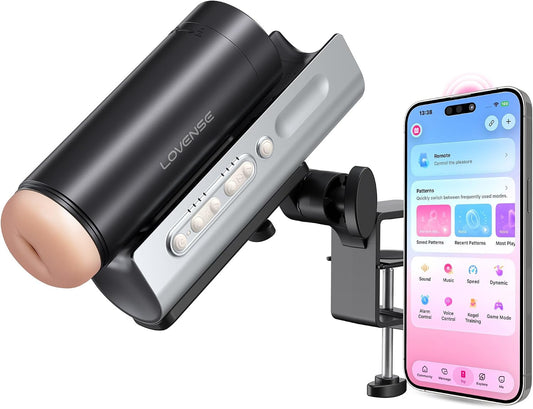
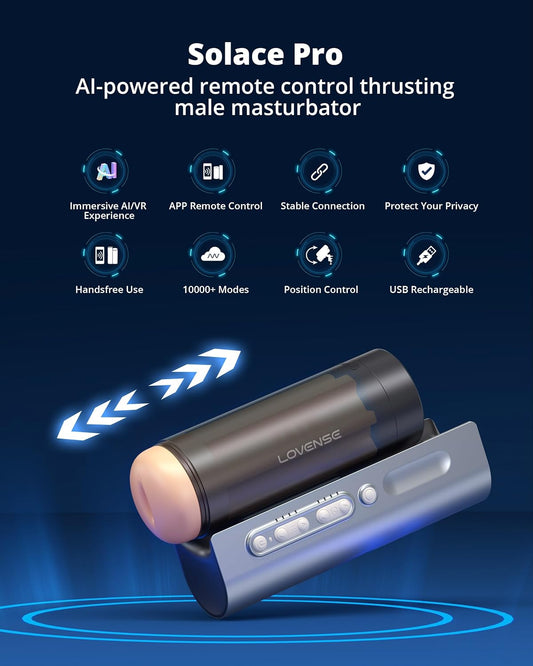
Purposeful intimate wellness devices can be genuine allies here — helping her build arousal more reliably, and helping him extend and savor the experience. Think of them not as shortcuts, but as ways to give both partners' bodies the time and attention the research says they need.
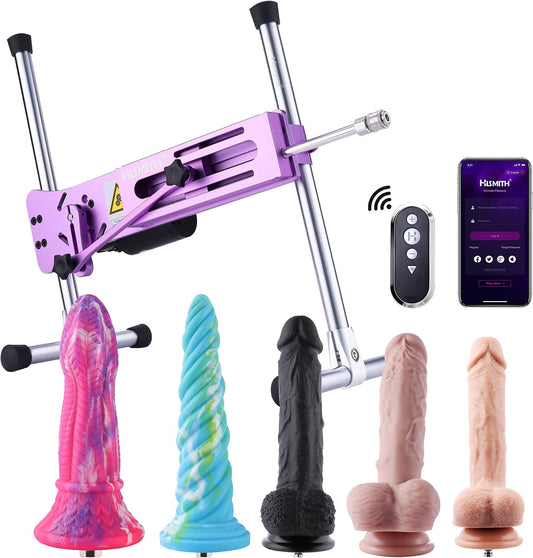
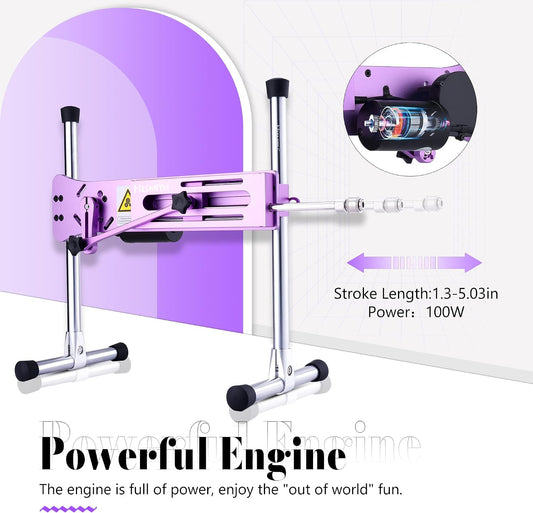
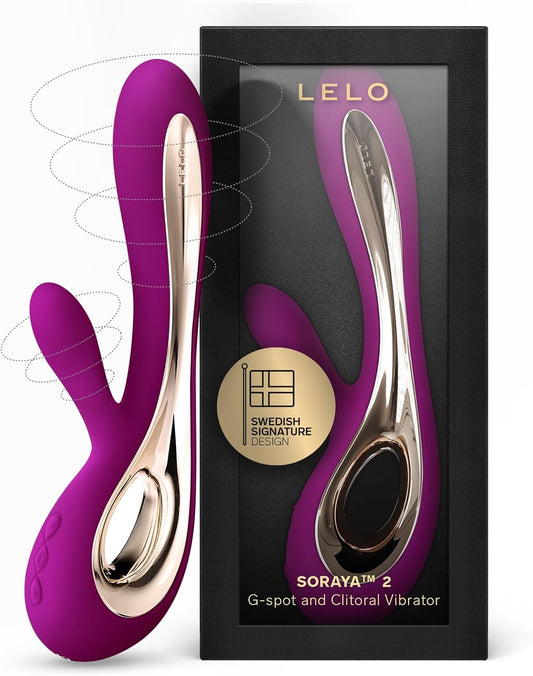
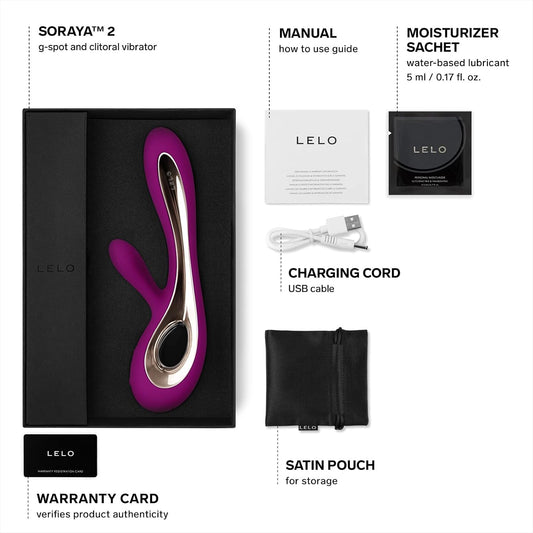
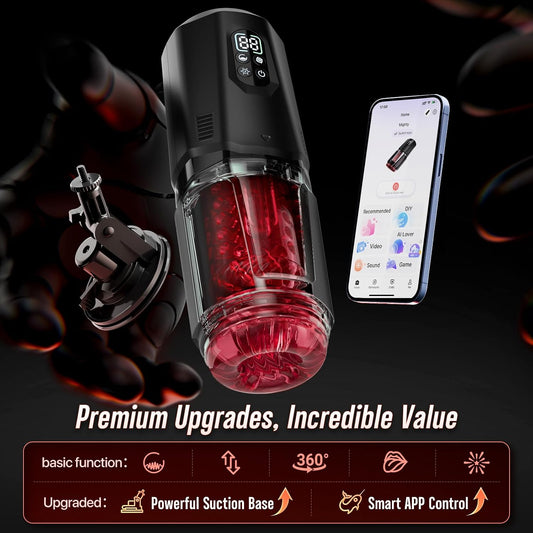
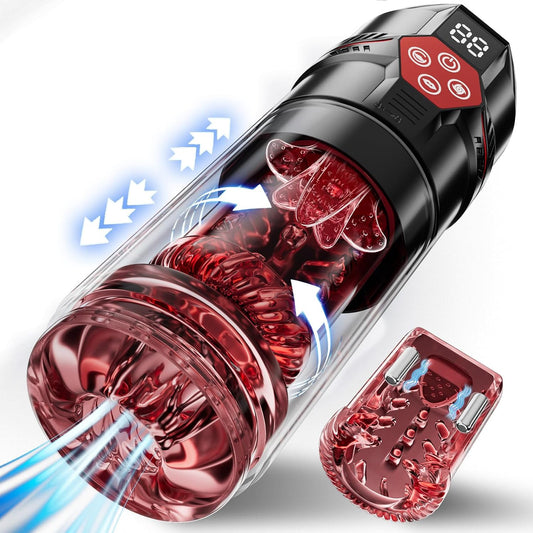
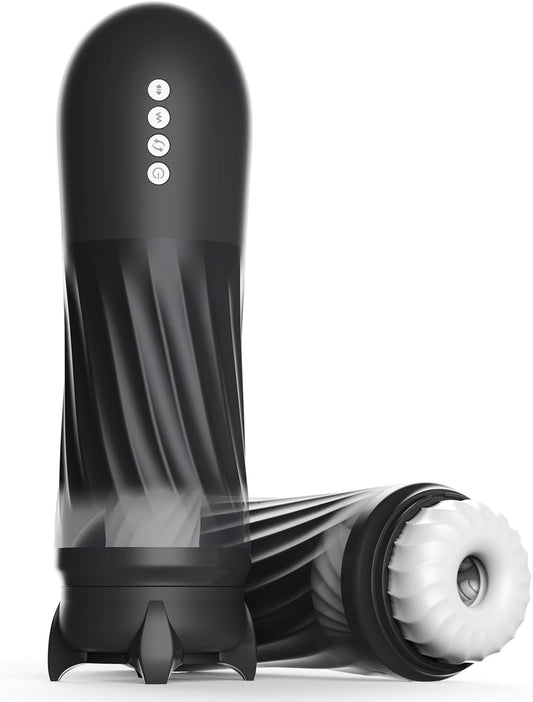
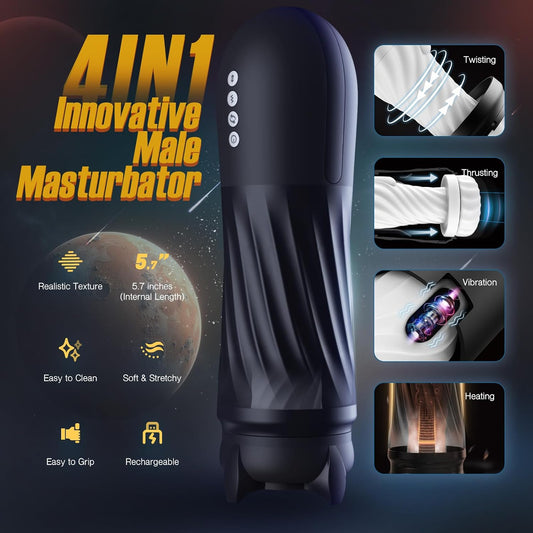
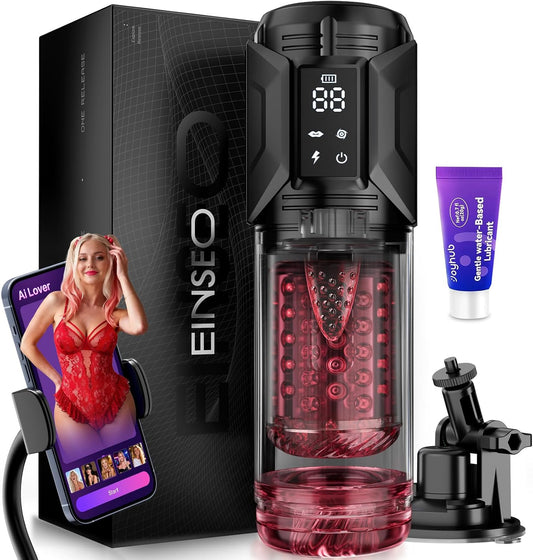
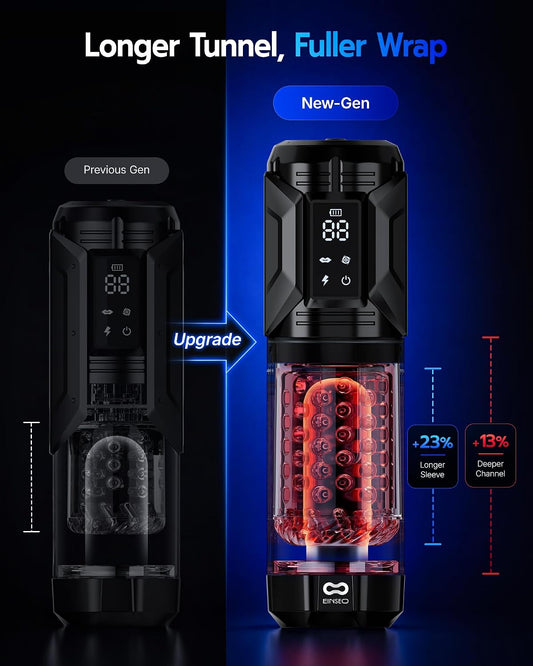
If the research on arousal timing resonates with you, a few thoughtfully designed wellness devices can help put these insights into practice — giving her the focused, unhurried stimulation that leads to reliable pleasure, and helping him extend and savor your shared time together:
💝 Recommended for You

💝 Recommended for You

💝 Recommended for You

The Bigger Picture: Patience as a Form of Intimacy
It's worth zooming out for a moment. The same body of research that documents the timing gap also shows that human sexuality is beautifully diverse. Alfred Kinsey's famous scale demonstrated that sexual orientation itself exists on a continuum rather than in rigid boxes — a reminder that very little about human desire fits into neat categories. Other studies show that society still judges women's sexual behavior by a harsher double standard than men's, which can make women feel self-conscious about asking for the time and attention their bodies need.
Understanding the science is liberating. When you know that needing more time is normal — physiologically normal, documented-in-textbooks normal — it becomes easier to ask for what you need without apology, and easier for partners to give it without impatience.
The couples who thrive aren't the ones whose bodies happen to sync up perfectly. They're the ones who treat their differences as something to explore together, with warmth, humor, and a genuine commitment to each other's pleasure. The clock was never the point. Connection is.
タグ: