











Is Pornography Actually Harming Your Relationship? What the Science Really Says
Few topics generate more fear-based headlines than pornography and its supposed effects on our brains and love lives. Politicians have called it a public health crisis. Talk shows warn it is "toxic" to marriages. And many couples quietly worry that a partner's viewing habits are a sign that something is wrong with their relationship.
But what does the research actually show? When psychologists have examined these claims carefully, the picture that emerges is far more nuanced — and far less alarming — than the headlines suggest. Understanding the real science can free couples from unnecessary anxiety and redirect their energy toward what genuinely builds lasting intimacy.
Claim 1: Pornography Changes Your Brain
You may have read that watching adult content causes "profound brain changes" similar to addiction. It is true that some studies have observed brain differences in people who report compulsive viewing habits. But here is the critical detail those headlines leave out: virtually all of this research is correlational, which means it cannot tell us what caused what.
A widely cited review published in Surgical Neurology International examined the neuroscience evidence and concluded that it simply does not support claims of brain damage from pornography. Many participants in these studies had histories of other compulsive behaviors, such as alcohol abuse — making it impossible to isolate adult content as the cause of any observed differences. Did the viewing change their brains, or did pre-existing patterns explain both the viewing and the brain differences? Science cannot say, and honest researchers admit it.
This does not mean that any habit taken to extremes is healthy. Anything that crowds out sleep, work, or connection deserves a closer look. But the dramatic claim that typical adult content use "rewires" or damages the brain has no solid scientific foundation.
Claim 2: Pornography Is Toxic to Relationships
The second major claim is that pornography destroys marriages. One study that made media waves suggested that Playboy magazine "caused" up to 25% of divorces in the 1960s and 70s. But correlation is not causation. Divorce rates rose during those decades for many reasons — changing laws, shifting gender roles, evolving social norms. Divorced individuals may also simply have more need for and access to adult material. The arrow of causation, if there is one at all, may point in the opposite direction.
Relationship researchers consistently find something more interesting: the effect of adult content on a couple depends almost entirely on the couple themselves. For some relationships, secretive use breeds hurt and distance. For others, shared viewing is a positive, connective activity that sparks conversation and desire. The difference is not the content — it is the communication surrounding it.
This insight is genuinely empowering. It means the health of your intimate life is not determined by outside forces. It is shaped by how honestly you and your partner talk about your needs, boundaries, and curiosities.
Claim 3: Pornography Increases Harm Toward Women
Perhaps the most serious claim is that adult content fuels violence against women. Here the evidence is surprisingly clear — in the opposite direction. A comprehensive review in Aggression and Violent Behavior found no evidence that pornography exposure increases sexual assault. In fact, over the past two decades, as access to adult content has expanded dramatically, rates of sexual violence in the United States and many other countries have actually declined.
None of this minimizes the importance of respect, consent, and ethical behavior in intimate life. Those values matter deeply. But fear-based claims that are not supported by data distract us from the real foundations of healthy relationships.
What Actually Predicts a Thriving Intimate Life
If decades of research point away from the panic narrative, what do they point toward? Study after study highlights the same core ingredients of a satisfying intimate relationship:
- Open communication. Couples who can discuss desires, boundaries, and even uncomfortable topics without judgment report higher satisfaction — in and out of the bedroom.
- Shared exploration. Novelty experienced together — a new ritual, a new conversation, a thoughtfully chosen intimacy product — strengthens connection far more than novelty consumed alone.
- Realistic expectations. Media of all kinds presents fantasy, not a manual. Couples who treat each other as the standard — rather than comparing themselves to scripted imagery — report deeper contentment.
- Emotional safety. Trust lowers inhibition. When both partners feel secure, honest conversation replaces secrecy, and intimacy flourishes.
Turning Attention Back Toward Each Other
The most practical lesson from this research is simple: energy invested in your relationship pays dividends that passive consumption never can. If you and your partner have drifted into separate private habits, consider it an invitation rather than an indictment. Plan an evening that is just for the two of you. Ask a question you have never asked before. Explore something new together.
Small gestures matter more than grand ones. Confidence-building touches — wearing something that makes you feel attractive, setting aside distraction-free time, trying a shared experience — rebuild the sense that you are on the same team, playing the same game.
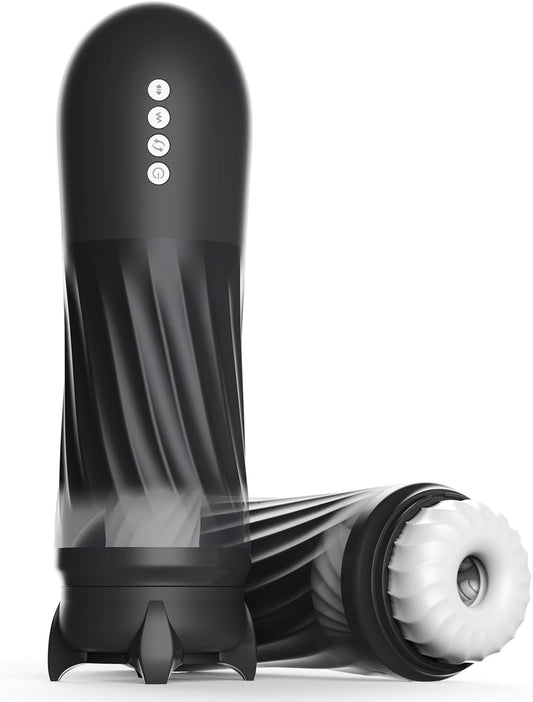
The research is clear: connection grows when couples invest in shared experiences. If you're ready to turn attention back toward each other, these thoughtfully designed pieces are made for exactly that kind of reconnection:
💝 Recommended for You

💝 Recommended for You

💝 Recommended for You

The Bottom Line
The alarming claims about pornography's effects on brains, relationships, and society rest on shaky correlational ground. The science does not support panic — it supports perspective. What genuinely predicts relationship health is not what couples watch, but how they communicate, connect, and choose to invest in each other.
So instead of worrying about outside influences, put your energy where research says it counts: honest conversation, shared curiosity, and deliberate moments of connection. That is the formula for intimacy that lasts.
The HeartCaptor Team shares science-backed insights to help couples build deeper connection and confidence. Explore our collection of thoughtfully designed intimacy products to support your journey together.
タグ:
前の
Do Committed Couples Really Have Better Sex? What Science Says About Intimacy, Satisfaction, and Smart Choices
次
The 7 Types of Friends With Benefits: What Research Reveals About Modern Intimacy