

Is Bisexuality Real? What Science Says About Attraction, Identity, and Self-Acceptance
Few sexual identities have been doubted as openly — or as persistently — as bisexuality. Pop culture has long echoed the skepticism, joking that bisexual people are simply "on the way" to somewhere else, or confused, or unwilling to fully commit to an identity. But what happens when scientists stop relying on stereotypes and actually measure attraction in the laboratory? The answer turns out to be both fascinating and deeply validating: bisexuality is real, measurable, and far more nuanced than the myths suggest.
Understanding this research matters for more than academic reasons. When identities are questioned, the people holding them pay a price in stress, self-doubt, and isolation. When identities are affirmed by evidence, the door opens to self-acceptance — one of the strongest foundations of intimate wellbeing.
The Study That Seemed to Confirm the Stereotype
In 2005, a study published in Psychological Science made headlines. Researchers recruited men who identified as heterosexual, homosexual, or bisexual, and measured their physiological arousal responses while they viewed different types of erotic imagery. The result that grabbed attention: most of the bisexual-identified men showed stronger arousal to male imagery than to female imagery.
Headlines quickly declared that male bisexuality might not exist — that these men were, in effect, "latent homosexuals." For bisexual people who had spent years being told their identity was a phase or a cover story, the coverage stung. But there was a critical detail buried in the methodology, and it would later change everything.
The Follow-Up That Changed the Story
Several years later, a research team revisited the question in a study published in Biological Psychology. They used essentially identical methods — the same kind of stimuli, the same physiological measurements — with one crucial difference in how they recruited bisexual participants.
In the original study, the only requirement was self-identification as bisexual. In the follow-up, bisexual participants were required to have a confirmed history of both sexual and romantic relationships with partners of more than one gender. In other words, the researchers made sure participants' lived experiences matched their identities.
The results were strikingly different. Most of these bisexual men showed strong physiological arousal in response to both male and female imagery. The attraction wasn't necessarily split perfectly fifty-fifty — but it was clearly, robustly present in both directions. The researchers concluded that this constituted convincing scientific evidence that genuine bisexual attraction exists.
Why the Difference? Identity Is Not a Monolith
Together, these two studies teach a lesson that extends far beyond any single orientation: how we define an identity shapes what we find when we study it.
"Bisexual" can mean many things to many people. For some, it describes strong, enduring attraction to more than one gender. For others, the label may reflect a period of exploration, openness to new experiences, or a way of making sense of feelings that are still taking shape. None of these uses is illegitimate — identity is a tool for self-understanding, not a box with rigid walls. But when researchers lump all of these experiences into one category, the data blur. When they define the category carefully, a clear picture emerges.
This insight also aligns with a broader scientific consensus: sexual orientation exists on a continuum rather than in three tidy boxes. Attraction can vary in degree, in balance, and even across a lifetime. Human desire is genuinely diverse, and the science increasingly reflects that reality.
The Real-World Cost of Disbelief
Why does laboratory evidence matter so much? Because disbelief has consequences. Researchers who study bisexual wellbeing have documented a pattern sometimes called "double discrimination" — bisexual people can face skepticism and exclusion from both heterosexual and gay communities. Their identities are questioned, their relationships misread, and their experiences erased.
That kind of chronic invalidation is a known stressor. Studies consistently link identity stigma and erasure to elevated anxiety, depression, and loneliness — not because of the identity itself, but because of how others respond to it. Conversely, affirmation and self-acceptance are protective. People who feel seen and believed report better mental health, stronger relationships, and greater satisfaction with their intimate lives.
What This Means for You and Your Relationships
Whether you identify as bisexual, love someone who does, or simply want to understand human sexuality more accurately, this research offers several practical takeaways:
- Believe people when they tell you who they are. Self-knowledge is hard-won. When a partner or friend shares their identity, treating it as real and valid is one of the most powerful forms of support available.
- Let go of scoreboards. Attraction doesn't need to be divided into perfect proportions to be genuine. Desire is allowed to be asymmetric, fluid, and entirely your own.
- Make room for exploration. Understanding what you enjoy — emotionally and physically — is a lifelong process, and it deepens intimacy whether you are single or partnered. Curiosity about yourself is not confusion; it is growth.
- Talk about it. Couples who can discuss attraction, fantasy, and identity without judgment build stronger trust. Openness about inner life is one of the most reliable predictors of relationship satisfaction.
Self-Knowledge as a Form of Self-Care
Perhaps the most hopeful message in this research is that understanding yourself is always worth the effort. The participants in these studies helped correct a harmful myth simply by showing up as their authentic selves. In our own lives, the parallel act is giving ourselves permission to explore, notice, and honor what we genuinely feel and enjoy — without shame and without needing anyone else's permission slip.
Mindful solo exploration is one practical expression of that permission. Unhurried time with your own body builds the self-awareness that makes communication with partners easier and intimacy more fulfilling. And for couples, exploring together — with curiosity rather than expectation — turns self-knowledge into shared connection.
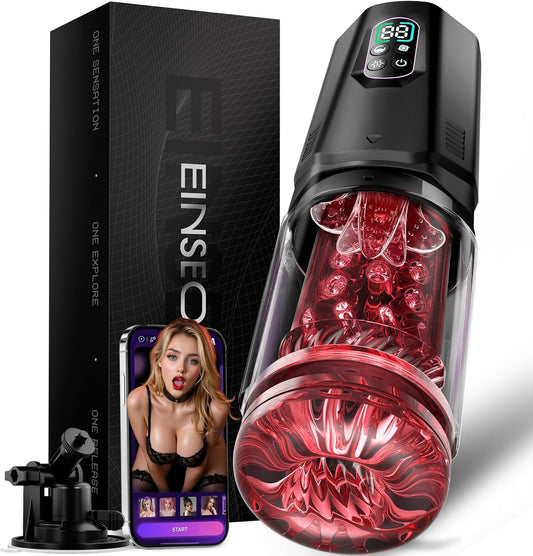
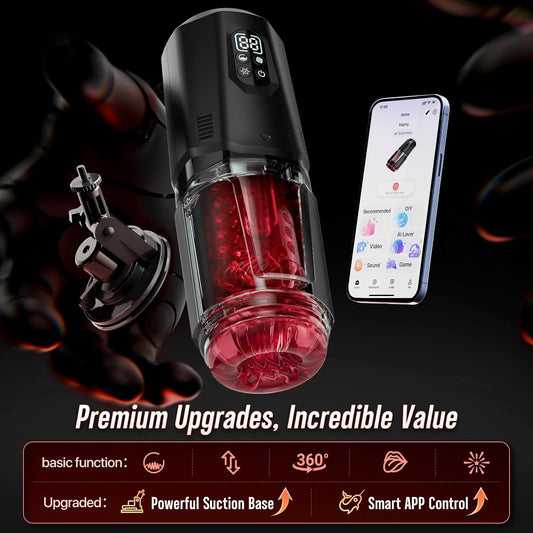
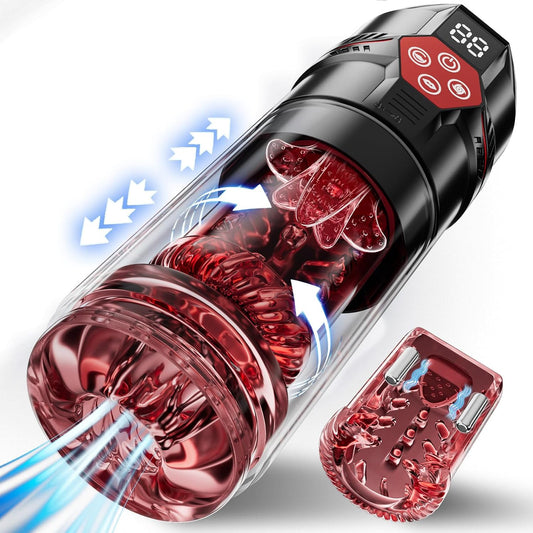
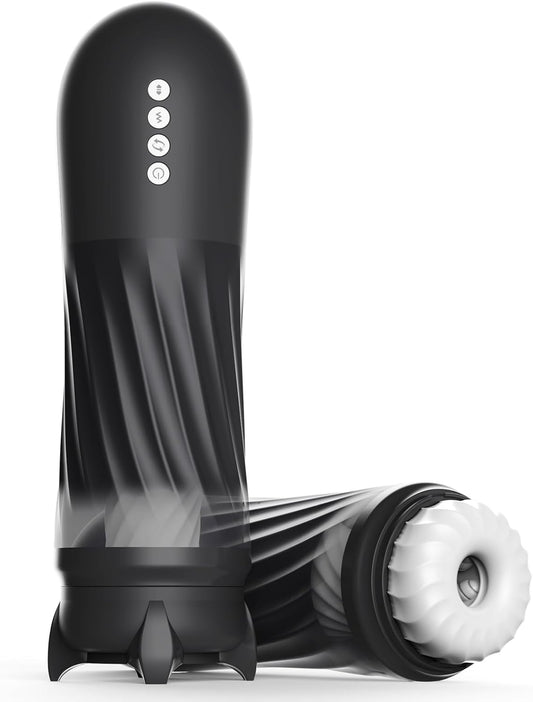
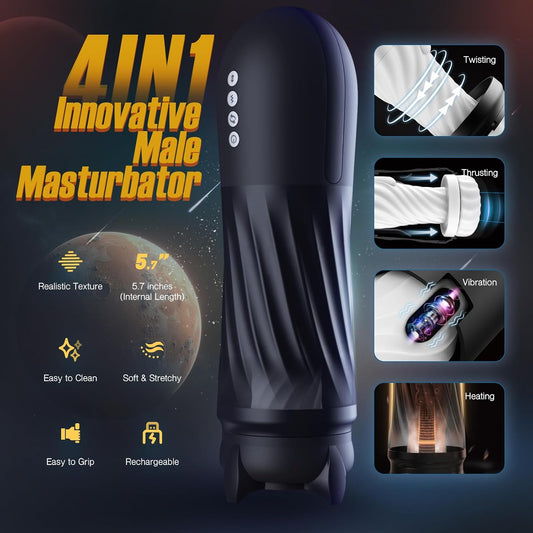
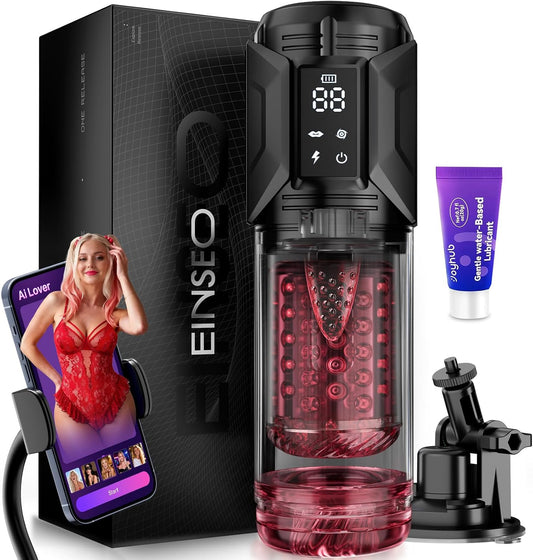
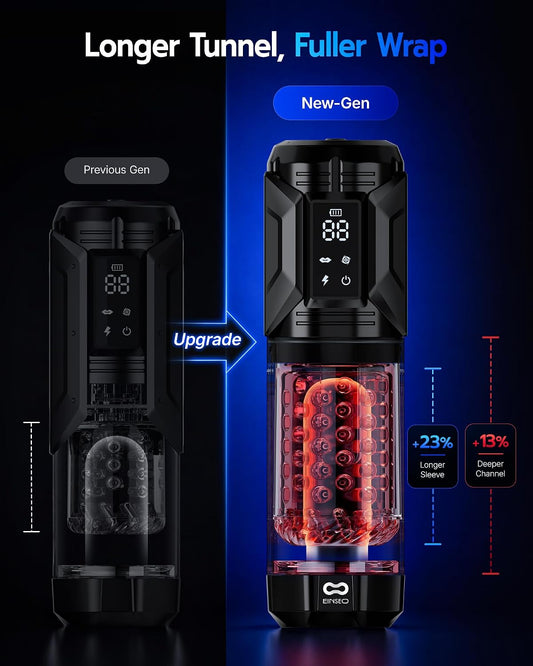
Self-knowledge is the heart of this research — and these thoughtfully designed wellness devices make it easy to explore what you genuinely enjoy, whether you are deepening your understanding of your own body or sharing that journey of discovery with a partner:
💝 Recommended for You

💝 Recommended for You

💝 Recommended for You

The Bottom Line
Bisexuality is not a layover, a phase, or a myth — it is a distinct, measurable, and valid orientation, confirmed by careful science. The bigger lesson is one that applies to everyone: human attraction is diverse, identity is personal, and wellbeing flourishes when people are believed, affirmed, and free to know themselves. Whether that self-knowledge happens in conversation with a partner, in quiet moments alone, or through tools designed to support your exploration, it is an investment in a healthier, happier intimate life.
The HeartCaptor Team shares science-backed insights on intimacy, identity, and wellbeing. Explore our collection of thoughtfully designed wellness products to support your journey of self-discovery — solo or with a partner.
タグ: