











Does Sexual Activity Harm Mental Health? What Science Really Says About Intimacy and Wellbeing
A few years ago, a wave of alarming headlines swept through the news: early sexual activity, reporters claimed, could rewire the brain and lead to depression. The story spread quickly, repeated by major outlets as settled science. There was just one problem — the research behind those headlines was conducted on hamsters, and the leap from rodents to humans turned out to be far shakier than the headlines suggested.
So what does the evidence actually say about sexuality and mental health? The answer is more nuanced, and far more hopeful, than fear-driven headlines imply. Understanding this research matters not only for how we think about adolescent health, but for how all of us approach intimacy, self-knowledge, and emotional wellbeing as adults.
The Hamster Study That Made Headlines
The media frenzy traces back to a study presented at a neuroscience conference, in which researchers compared hamsters that mated early in life with hamsters that mated later or not at all. The early-mating hamsters showed more depression-like behaviors — swimming less vigorously in water tests and acting more anxiously in mazes.
From these findings alone, several news outlets argued that parallel effects might occur in humans. But scientists who study human sexuality pushed back. Hamsters and humans differ enormously in brain structure, social behavior, and the meaning attached to sexual activity. Rodents do not form romantic relationships, navigate consent, or experience intimacy within a web of emotional and cultural context. Generalizing from a hamster maze to a human bedroom is, at best, a stretch.
What Human Research Actually Shows
When researchers examined the question directly in people, the picture looked very different. Studies of adolescents found that although some young people experienced worse mental health outcomes after becoming sexually active, the majority did not. Sexual activity, in itself, was not inherently linked to depression or psychological harm.
What did matter was context. Elevated risk appeared mainly in specific circumstances — for example, when a first sexual experience occurred in a relationship that ended shortly afterward, or in situations involving very early experiences without adequate emotional support. In other words, the emotional environment surrounding intimacy predicted wellbeing far better than the presence of intimacy itself.
This pattern has held up across decades of research on adults as well. Sexual expression embedded in caring, consensual, and communicative relationships is consistently associated with benefits: lower stress, better sleep, improved mood, and greater relationship satisfaction. The act is not the risk factor — isolation, pressure, stigma, and poor communication are.
Context Matters More Than the Act Itself
The core lesson of this research applies at every age: intimacy is healthiest when it is wanted, respected, and emotionally supported. Several protective factors show up again and again in the literature:
- Consent and comfort: Experiences that are freely chosen and mutually desired are associated with positive outcomes, while pressured or unwanted experiences are not.
- Emotional connection: Intimacy within a supportive relationship tends to buffer stress rather than add to it.
- Open communication: Partners who can talk honestly about needs, boundaries, and desires report higher satisfaction and stronger bonds.
- Self-knowledge: People who understand their own bodies and preferences communicate more confidently and experience greater wellbeing.
Rather than asking whether sexual activity is "good" or "bad" for mental health, the better question is: under what conditions does intimacy help people thrive? The science points clearly toward conditions of respect, safety, and connection.
What This Means for Adults Today
For adults, this research offers a liberating reframe. A healthy intimate life is not a liability to manage — it is a dimension of wellbeing to nurture. Just as we invest in sleep, movement, and nutrition, we can invest in understanding our bodies, communicating with partners, and creating space for pleasure without shame.
It also means that solo exploration deserves a place in the conversation. Self-knowledge is a foundation of healthy partnered intimacy. Mindful, unhurried time alone can reduce stress, improve body awareness, and help people articulate what they enjoy — skills that carry directly into relationships.
And for couples, the takeaway is equally practical: prioritize the emotional context. Check in with each other. Treat desire as something to explore together rather than a test to pass. When the relationship context is strong, intimacy tends to follow — and so do the mental health benefits that come with feeling close, wanted, and understood.
Healthy Intimacy as Self-Care
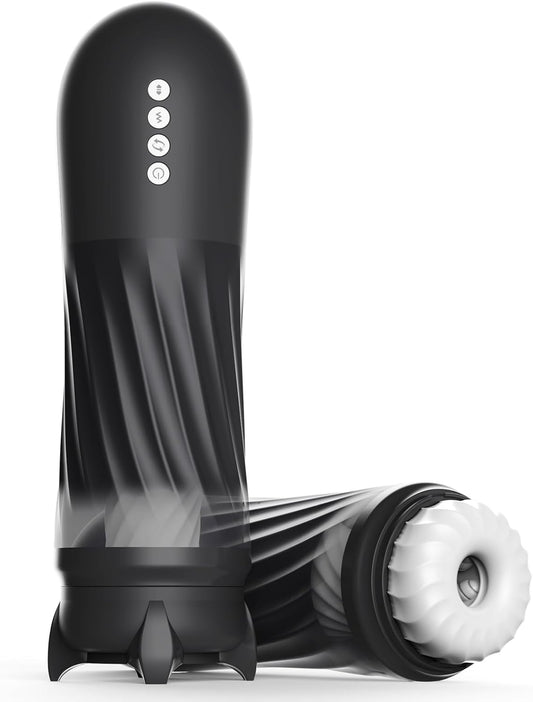
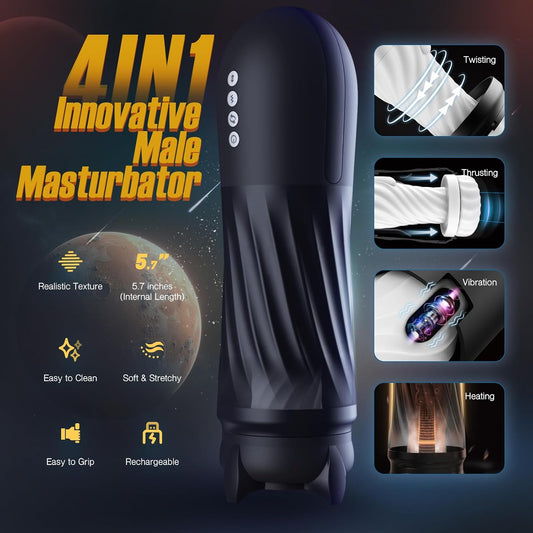
Putting this science into practice can be simple. Set aside distraction-free time for yourself or your partner. Approach exploration with curiosity instead of expectation. And consider tools designed to support relaxation, body awareness, and shared discovery — thoughtfully chosen, they can make the journey more comfortable and more fun.
If this research resonates with you, these thoughtfully designed wellness tools can help you put the science into practice — whether you are deepening self-knowledge on your own or nurturing connection with a partner:
💝 Recommended for You

💝 Recommended for You

💝 Recommended for You

The Bottom Line
Scary headlines come and go, but the scientific consensus is steady: sexual activity is not inherently harmful to mental health. What shapes our wellbeing is the context around intimacy — consent, communication, emotional support, and self-understanding. Whether you are nurturing a long-term relationship or deepening your relationship with yourself, approaching intimacy with care and curiosity is one of the kindest things you can do for your mind as well as your body.
The HeartCaptor Team shares science-backed insights to help you build deeper intimacy and wellbeing. Explore our collection of thoughtfully designed wellness products to support your journey.
タグ:
関連記事






オーガズムはセックスの目標であるべきか?快感重視の親密な関係を築く科学的アプローチ
Aug 19 2026

女性のオーガズムを評価する科学:なぜ快感の平等が重要なのか
Aug 17 2026