




The Science Behind Valuing Women’s Orgasms: Why Pleasure Equality Matters
Every August 8th, Brazil celebrates International Female Orgasm Day—a reminder that women’s sexual pleasure deserves the same attention and respect as men’s. Yet decades of research show that pleasure equality remains far from reality. Understanding the science behind the orgasm gap can help individuals and couples build more satisfying, connected intimate lives.
What Is the Orgasm Gap?
The orgasm gap describes the consistent difference in orgasm frequency between heterosexual men and women during partnered sex. A 2024 study from researchers affiliated with The Kinsey Institute analyzed data from more than 24,000 participants across eight years of the Singles in America survey. The results were striking: men’s reported orgasm rates ranged from 70% to 85%, while women’s ranged from 46% to 58%. This disparity persisted across every age group studied.
Importantly, the gap is not about biology alone. Studies show that women who have sex with women report orgasm rates much closer to men’s. This suggests that the gap is shaped heavily by cultural scripts, sexual expectations, and what happens during heterosexual encounters—factors that can absolutely be changed.
When Orgasms Get Devalued
One of the more subtle barriers to closing the orgasm gap is something researchers call devaluing: the psychological shift that happens when people stop treating orgasm as an important outcome of sex. In a series of 2026 experiments, Wetzel and colleagues found that women were especially likely to devalue their own orgasms when they had a history of infrequent orgasms and were not currently orgasming with a partner.
Devaluing can act as emotional self-protection. If a woman expects not to orgasm, she may mentally lower the stakes to avoid disappointment. But this mindset can also become a self-fulfilling prophecy: when pleasure is deprioritized, partners are less likely to invest in the communication, time, and touch that would actually help it happen.
Men in the studies showed a similar pattern when faced with a partner’s low orgasm rate, but for a different reason. Rather than self-protection, men often interpreted the situation as a relationship threat and downplayed the importance of women’s orgasms to manage their own discomfort. Either way, the result is the same: women’s pleasure is quietly pushed to the sidelines.
The Orgasm Imperative: A Double-Edged Sword
Feminist scholar Sara Chadwick points out another tension. While we should value women’s orgasms, treating orgasm as the single goal of sex can also backfire. When sex becomes a performance aimed at achieving orgasm, it can recreate the very pressure that limits pleasure. People may fake orgasm, use coercive tactics, or ignore their own bodily signals just to reach the finish line.
The answer is not to stop caring about women’s orgasms. It is to broaden the conversation beyond orgasm alone. True sexual equity means centering women’s pleasure, comfort, and desire throughout the entire experience—not just at the endpoint. It means asking what feels good, responding to feedback, and making space for arousal without pressure.
Practical Steps Toward Pleasure Equality
Research points toward several practical ways to close the gap and create more mutual satisfaction:
- Prioritize communication: Ask your partner what kinds of touch, rhythm, and pressure they enjoy. Ongoing dialogue is more reliable than any technique.
- Expand the definition of sex: Penetrative intercourse is not the main event for most women’s orgasms. Clitoral stimulation, oral sex, manual touch, and extended foreplay often play a central role.
- Reduce performance pressure: When both partners feel safe to give feedback without blame, pleasure becomes a shared exploration rather than a test.
- Encourage self-knowledge: Women who understand their own bodies through solo exploration often find it easier to guide partners and experience pleasure with others.
Self-exploration is not a substitute for partnered intimacy; it is a foundation for it. The more a person knows about their own responses, the more confidently they can communicate and receive pleasure with a partner.
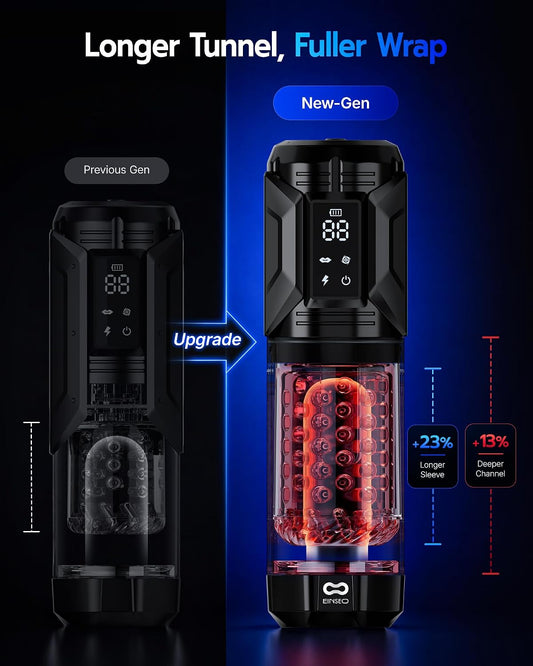
If you are ready to explore your own pleasure more deeply, these thoughtfully designed products can help you discover what your body responds to—whether during solo self-care or shared intimate moments. Understanding yourself is the first step toward asking for what you want.
💝 Recommended for You

💝 Recommended for You

💝 Recommended for You

Conclusion
International Female Orgasm Day is more than a celebration—it is a call to take women’s pleasure seriously. The science is clear: the orgasm gap is real, but it is not inevitable. By challenging the cultural scripts that devalue women’s pleasure and by focusing on communication, comfort, and mutual exploration, couples can move toward a more equal and fulfilling intimate life.
At HeartCaptor, we believe that knowledge is the first step toward deeper connection. Our science-backed guides and thoughtfully designed products are here to support your journey toward authentic pleasure and wellbeing.
Tags:
Previous
Do You Have a Romantic Type? The Science Behind Dating Preferences
Next
Should Orgasm Be the Goal of Sex? A Science-Backed Guide to Pleasure-Focused Intimacy