









The Hymen Myth: What Science Really Says About Virginity and Women's Bodies
Few small pieces of human anatomy carry as much cultural weight — and as much misinformation — as the hymen. For centuries, and in many parts of the world still today, this thin membrane has been treated as proof of something it was never capable of proving: whether a woman has had sex. The consequences of that misunderstanding range from needless shame to, in some communities, genuinely dangerous outcomes for women.
It's time to set the record straight. In this article, we'll look at what the hymen actually is, why "virginity testing" has no scientific basis, what the rise of so-called "revirginization" surgery tells us about social pressure on women's bodies, and why accurate body knowledge is one of the most empowering forms of sexual health education there is.
What Is the Hymen, Really?
The hymen is a thin membrane of tissue that partially surrounds or covers the vaginal opening. That's it. It is not a seal, not a freshness indicator, and not a biological certificate of anything.
Here's what sexual health research tells us about this much-misunderstood tissue:
- It varies enormously from person to person. Some people are born with very little hymenal tissue at all; others have more. Shapes range from ring-like to crescent-shaped to almost absent. There is no single "normal."
- It can stretch or tear from everyday activities. Sports, cycling, horseback riding, gymnastics, using tampons, or medical examinations can all affect the hymen — no sexual activity required.
- It doesn't necessarily tear or bleed during first intercourse. Studies consistently show that many women experience no bleeding at all the first time they have sex. The expectation of a blood-stained wedding-night sheet is a cultural script, not a biological fact.
- It can't be used to determine sexual history. Even trained medical professionals cannot reliably look at a hymen and conclude whether someone has had intercourse. This is why the World Health Organization has condemned "virginity testing" as unscientific and a violation of human rights.
In short: the hymen is anatomy, not evidence.
The Social Weight of a Myth
If the science is this clear, why does the myth persist? Because the hymen was never really about biology — it's about control. In some cultures, an "intact" hymen is treated as a condition of marriageability, family honor, or social worth. Women whose hymens have changed through sports, accidents, assault, or consensual intimacy can face consequences ranging from rejection to violence.
This pressure has given rise to a quiet but telling medical niche: hymen reconstruction surgery, sometimes marketed as "revirginization." The procedure is usually performed on an outpatient basis and involves suturing the remaining hymenal tissue or constructing new tissue. In some cases, a small gelatin capsule containing a blood-like substance is included so that bleeding occurs during the next intercourse — a detail that exists purely to satisfy the cultural ritual of the blood-stained sheet.
Because the procedure is often illegal in the countries where demand is highest, women frequently seek underground providers or travel abroad to obtain it. Research on outcomes is scarce, but one of the few follow-up studies — conducted with patients in the Netherlands — found that the women surveyed reported satisfaction with their decision and no regrets. For many of them, the surgery was not about deception; it was about safety, dignity, and the ability to move forward in societies that left them little choice.
The Ethical Dilemma for Doctors
Revirginization surgery sits at a genuinely complicated ethical crossroads, and medical ethicists have debated it for years.
On one side, critics ask whether physicians should participate in a practice built on a falsehood — helping a patient satisfy a test that science says is meaningless. Some argue it reinforces the very myth that harms women.
On the other side, defenders point out that refusing the procedure can have devastating real-world consequences. In communities where a woman's perceived "purity" determines her safety, a doctor declining the surgery may be exposing her to ostracism, abuse, or worse. From this perspective, the procedure functions less as deception and more as harm reduction — protecting a patient from an unjust system she did not create.
There's also a more personal dimension that often gets lost in the debate. Not everyone who seeks this kind of procedure does so under threat. Some women describe wanting to symbolically reclaim a "first time" — to recreate a milestone with a partner they truly love, after an earlier experience they regret. Whatever one thinks of that choice, it belongs to the individual making it.
The Deeper Lesson: Body Knowledge Is Power
Step back from the surgery debate, and a larger truth comes into focus — one that applies far beyond any single culture. Enormous amounts of anxiety, shame, and even suffering flow from simply not knowing how our own bodies work.
Research in sexual health education consistently shows the same pattern:
- People who receive accurate, shame-free education about their anatomy report higher body confidence and lower sexual anxiety.
- Women who understand their own anatomy — including how much normal variation exists — are less vulnerable to myths, pressure, and harmful comparisons.
- Couples who talk openly about bodies and expectations report stronger trust and more satisfying intimacy.
The hymen myth survives precisely because so many people were never taught the facts. Every time accurate information replaces a myth, the myth loses a little more of its power to harm.
Reclaiming Your Relationship With Your Own Body
One of the healthiest responses to a culture full of body myths is gentle, pressure-free self-knowledge. Getting to know your own anatomy — what feels comfortable, what feels good, what your unique normal looks like — builds a kind of confidence that no outside opinion can shake. Sex educators often emphasize that self-exploration, approached with patience and self-compassion, is a legitimate and valuable part of sexual wellbeing. It teaches you about your own responses on your own terms, in your own time.
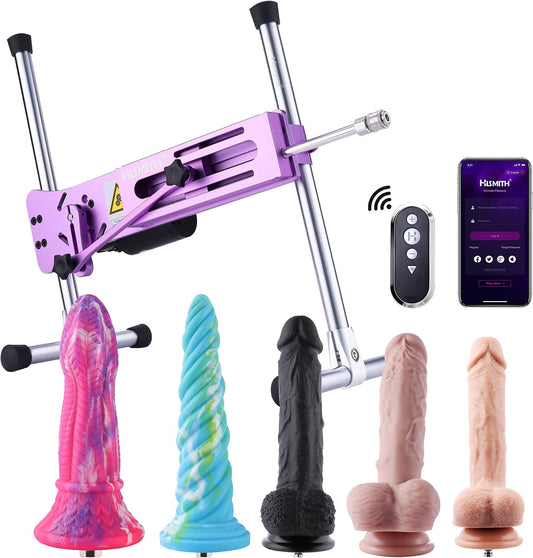
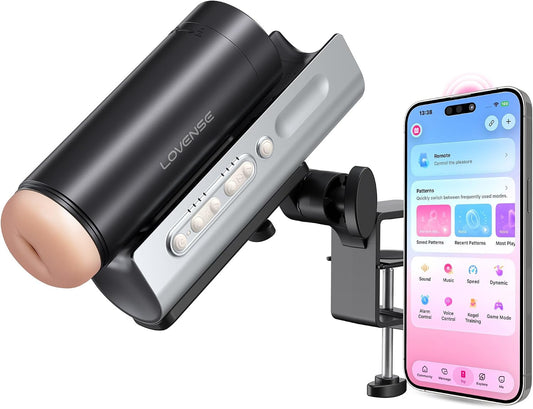
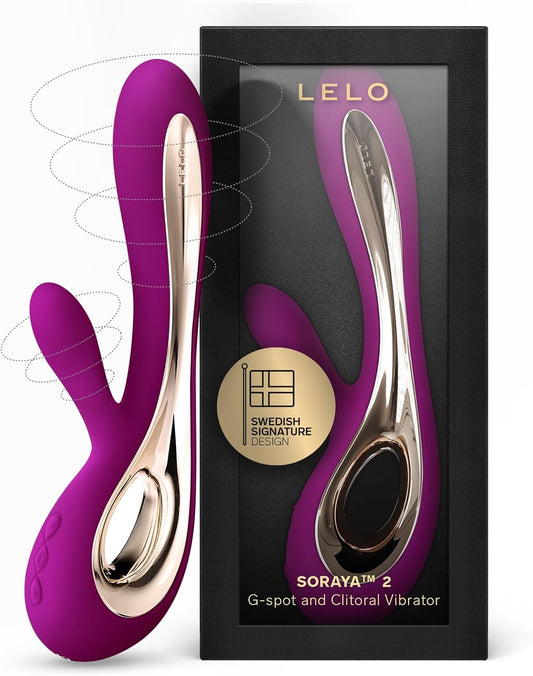
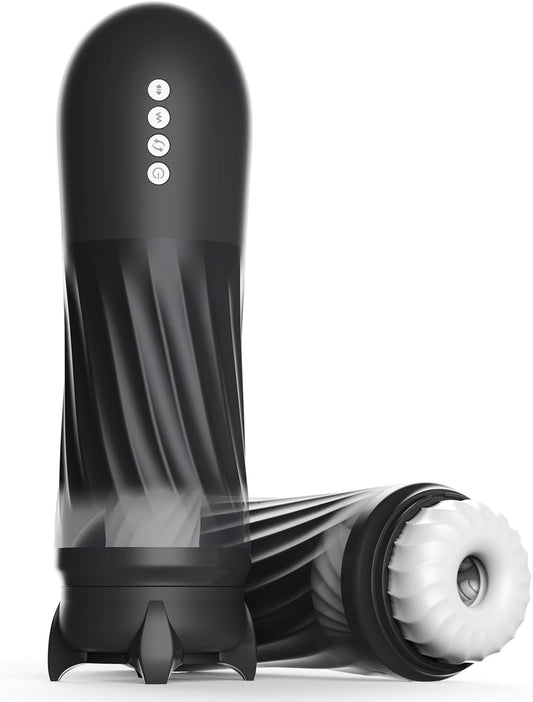
Building body confidence starts with gentle, pressure-free self-discovery. If you're ready to get to know your own body on your own terms, these beginner-friendly wellness essentials are thoughtfully designed for comfortable, unhurried exploration:
💝 Recommended for You

💝 Recommended for You

💝 Recommended for You

What "Virginity" Should Actually Mean
Perhaps the most radical idea in all of this research is also the simplest: virginity is a social concept, not a medical condition. There is no examination, no tissue, no test that can measure it. What actually matters in a healthy intimate life has nothing to do with a membrane and everything to do with things that can't be sutured or faked — consent, communication, trust, and mutual care.
For anyone who has ever worried about being "normal," the science offers genuine relief: normal is a range far wider than the myths suggest. Your body was never evidence in anyone else's case. It was always just yours.
The Bottom Line
The hymen cannot prove virginity, surgery cannot restore it, and no ritual can define your worth. What science offers instead is something far more durable: knowledge. Understanding your body — really understanding it, free of myth and shame — is the foundation of sexual health, confident intimacy, and self-respect.
The HeartCaptor Team shares science-backed insights to help you build a healthier, more confident relationship with your body. Explore our collection of thoughtfully designed wellness products to support your journey of self-discovery.
Tags: