










Should Orgasm Be the Goal of Sex? A Science-Backed Guide to Pleasure-Focused Intimacy
For many people, orgasm is treated as the finish line of sex. It is the moment that separates a "successful" encounter from a disappointing one, and some people do not even count an experience as sex if orgasm never happens. But should one bodily response carry so much weight?
In honor of National Orgasm Day on July 31, we are taking a closer look at what research really says about orgasm-focused sex. The findings suggest that when we make orgasm the goal, we may accidentally make sex less pleasurable, more stressful, and less connected. Shifting toward a pleasure-centered mindset can transform intimacy for individuals and couples alike.
What Is the Orgasmic Imperative?
Sex therapists use the term orgasmic imperative to describe the cultural pressure to treat orgasm as essential to "real" sex. This mindset frames sex as something to achieve rather than something to enjoy. Partners may feel obligated to reach orgasm, to help each other reach orgasm, or to perform in ways that look successful even when they do not feel good.
When orgasm becomes the main goal, the body can become a performance stage. People start monitoring their own responses instead of feeling them. This "spectatoring" effect increases anxiety and pulls attention away from the present moment. Over time, the pursuit of orgasm can create the very sexual difficulties it is meant to solve.
Are Sexual Pleasure and Orgasm the Same Thing?
Research makes an important distinction: having an orgasm and experiencing sexual pleasure are not the same thing. They can happen together, but they can also happen apart.
Orgasm is a physiological reflex. It can occur even during unwanted, uncomfortable, or emotionally disconnected experiences. Pleasure, by contrast, is shaped by motivation, context, emotional safety, and relationship satisfaction. Studies have documented orgasms that feel "hollow," "uncomfortable," or disconnected from enjoyment, often because of fatigue, pressure, or performance concerns.
This distinction matters because it opens the door to a wider definition of satisfying sex. If pleasure is the measure, then warmth, curiosity, laughter, touch, and emotional closeness all count. Orgasm may be one expression of pleasure, but it does not have to be the only one.
Why an Orgasm-First Mindset Can Backfire
When orgasm is the finish line, partners may rush past the parts of sex that build connection. Foreplay becomes a means to an end. Feedback becomes a threat to success. One partner may fake pleasure to protect the other partner's ego, while the other partner feels quietly judged for not "delivering."
Feminist sex researcher Sara Chadwick and others have warned that an overemphasis on orgasm can recreate pressure in new ways. If one partner treats orgasm as a mandatory achievement, the other partner may feel pushed to perform rather than invited to feel. In some cases, this pressure overlaps with coercion. The goal of equality should not become a new source of performance anxiety.
As sex educator Emily Nagoski emphasizes in Come As You Are, orgasm can be a wonderful outcome when it happens, but sex can still be deeply satisfying without it. The key is to stay present, curious, and responsive to what feels good in the moment.
How to Build Pleasure-Centered Intimacy
Moving away from the orgasmic imperative does not mean giving up on orgasm. It means broadening the definition of success. Here are science-backed ways to make pleasure the center of your intimate life:
- Talk without a scorecard. Ask your partner what kinds of touch, pressure, and rhythm feel good. Treat answers as information, not as criticism.
- Expand your definition of sex. Kissing, massage, manual stimulation, oral touch, and simply holding each other can all be intimate endpoints.
- Practice mindful presence. Notice sensations, breathing, and emotions instead of tracking progress toward a goal.
- Prioritize emotional safety. Pleasure grows when both partners feel free to say yes, no, and "slow down" without fear of rejection.
- Celebrate connection, not outcomes. A tender, exploratory encounter can be more fulfilling than a goal-oriented one.
Solo exploration can also support this shift. Understanding your own body through curiosity rather than achievement helps you guide partners with confidence and receive pleasure without pressure.
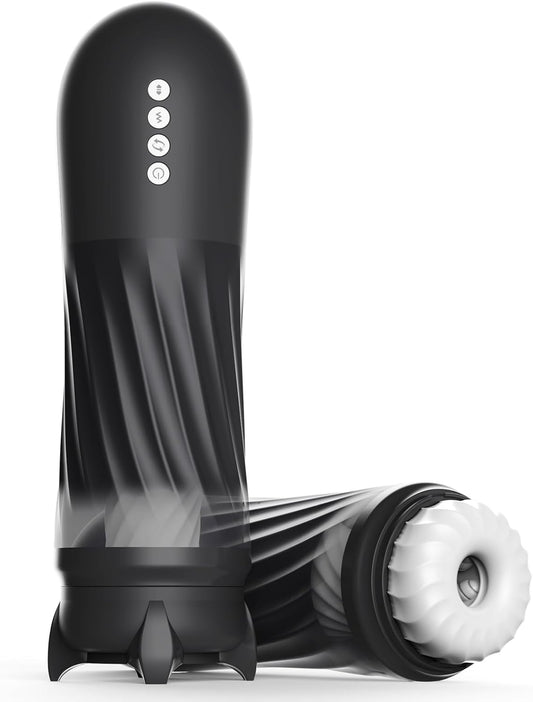
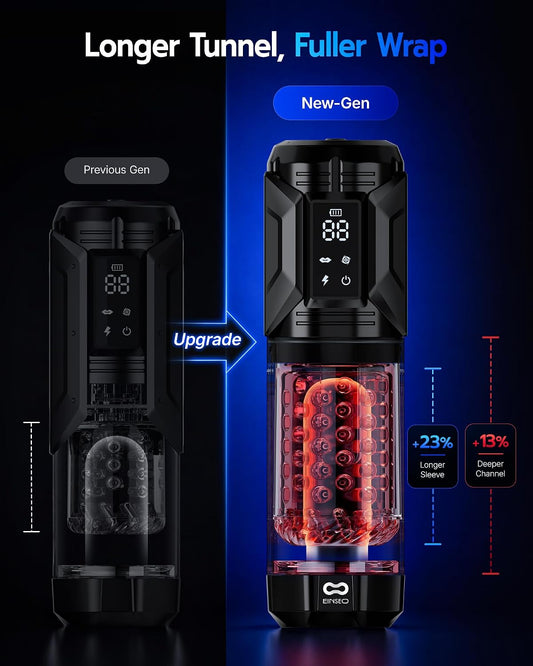
If you are ready to move away from the orgasm scorecard and toward a more sensation-centered intimate life, these thoughtfully selected tools can help you slow down, explore what feels good, and connect more deeply—with yourself or a partner.
💝 Recommended for You

💝 Recommended for You

💝 Recommended for You

Conclusion
Orgasm is not the enemy. It can be an exciting, meaningful part of sexual experiences. But when it becomes the only measure of success, it can overshadow the very things that make sex satisfying: curiosity, communication, safety, and connection.
By shifting the focus from achievement to experience, couples and individuals can create intimate lives that feel more generous, more present, and more pleasurable, whether or not orgasm happens. National Orgasm Day is a reminder that pleasure itself is worth celebrating.
HeartCaptor Team is dedicated to sharing science-backed insights that help you build deeper intimacy and connection. Explore our collection of thoughtfully designed products to support your journey toward pleasure-focused wellbeing.
Tags:
Previous
The Science Behind Valuing Women’s Orgasms: Why Pleasure Equality Matters
Next
How Sexual Consent Fuels Pleasure: What New Research Reveals