








Two Hearts, One Rhythm: The Science of Emotional and Physical Synchrony in Love
"Two hearts beating as one." It sounds like the kind of romantic cliché you would find in a greeting card — sweet, but not exactly scientific. For decades, psychologists assumed love lived entirely in the brain, and that the heart was just a poetic metaphor. But a fascinating line of research suggests the old poets may have been onto something: the bodies of people who love each other genuinely appear to move in sync, right down to their heartbeats.
Understanding this phenomenon does more than validate a metaphor. It reveals something profound about how intimacy actually works — and offers couples practical insight into deepening their connection.
The Fire-Walking Study That Changed the Conversation
Some of the most striking evidence for physical synchrony comes from an unusual setting: a fire-walking ritual. In a study published in the Proceedings of the National Academy of Sciences, researchers outfitted both fire walkers and spectators with heart rate monitors during a ritual in which participants walked, one at a time, across a bed of hot coals while a crowd looked on.
The results were remarkable. The heart rhythms of the fire walkers synchronized with those of the people watching them — but only under one specific condition. Synchrony appeared when the observer was a close friend or relative of the person walking over the coals. When the spectator was a stranger, their heart rates went their separate ways, showing no mirroring at all.
Think about what that means. Simply watching someone you love do something intense and meaningful was enough to bring your cardiovascular system into alignment with theirs. No touching, no talking — just the bond itself, expressed in the language of the body.
Why Would Our Bodies Do This?
The researchers noted that the effect appeared for both relatives and friends, which rules out a purely genetic explanation. Something deeper is at work. One compelling theory is that humans evolved a tendency to mimic the body rhythms of the people we are closest to because it facilitates bonding.
This fits into a broader scientific picture. Psychologists have documented a whole family of "synchrony" effects between people in close relationships:
- Behavioral mirroring: People who feel connected unconsciously match each other's posture, gestures, and speech patterns.
- Emotional contagion: We literally catch the moods of those we are attuned to, which is why a partner's stress or calm can change how our own body feels.
- Physiological linkage: Beyond heart rate, studies of couples have found alignment in breathing patterns, stress hormone levels, and even brain activity during shared experiences.
From an evolutionary perspective, this makes sense. For a social species, the ability to feel what others feel — to get "on the same wavelength" physically — builds cooperation, empathy, and trust. In romantic relationships, synchrony may be the body's way of saying: we are in this together.
Synchrony Is a Skill, Not Just a Reflex
Here is the hopeful part of the science: while some synchrony happens automatically, couples can actively cultivate it. Research on intimate relationships consistently shows that shared, engaged experiences deepen attunement between partners. The fire-walking study is an extreme example, but the same principle applies to everyday life.
Practices that build synchrony include:
- Shared novel experiences. Doing something new and slightly thrilling together — a dance class, a challenging hike, a new adventure — naturally aligns your arousal and attention, echoing the fire-walking effect in miniature.
- Undivided attention. Synchrony requires presence. Conversations where both partners are fully engaged, without phones or distractions, allow emotional rhythms to align.
- Physical closeness. Touch, cuddling, and intimacy are direct routes to physiological alignment. Slowing down and being attentive to each other's responses turns physical connection into emotional attunement.
- Watching each other shine. The study found synchrony among observers, not just participants. Cheering on your partner, witnessing their triumphs and challenges, is itself a bonding act.
What This Means for Your Relationship
The big takeaway is that intimacy is not just a mental state — it is a whole-body phenomenon. When couples feel "out of sync," that phrase may be more literal than we realized. And the reverse is also true: deliberately creating moments of shared attention, shared excitement, and shared pleasure can help two people find their rhythm again.
This is especially worth remembering in long-term relationships, where routine can quietly erode attunement. The spark does not have to fade; it can be rebuilt through intentional, embodied connection. Slow evenings together, exploratory touch, and playfulness are not indulgences — they are the very mechanisms by which two nervous systems stay tuned to each other.
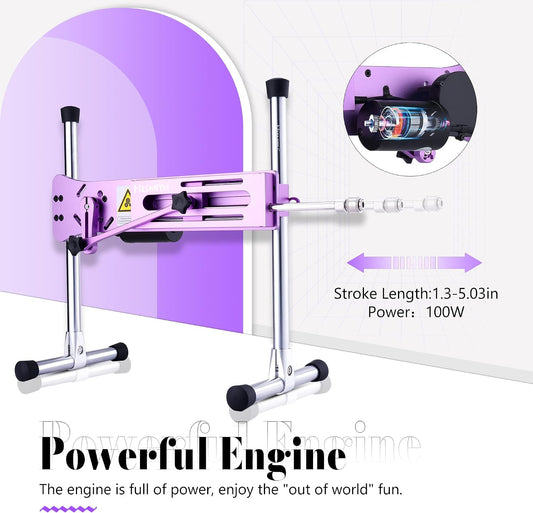
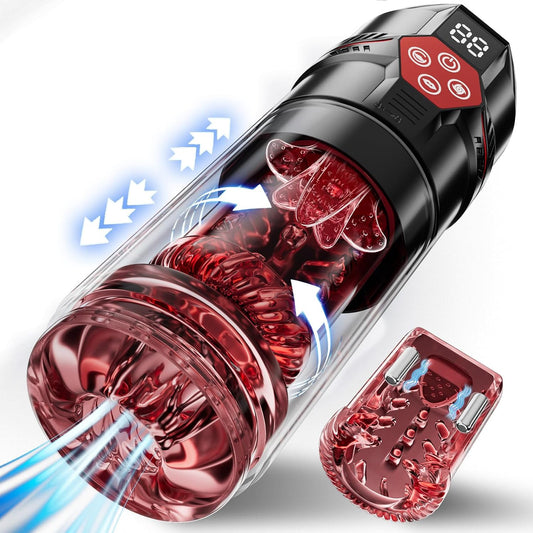
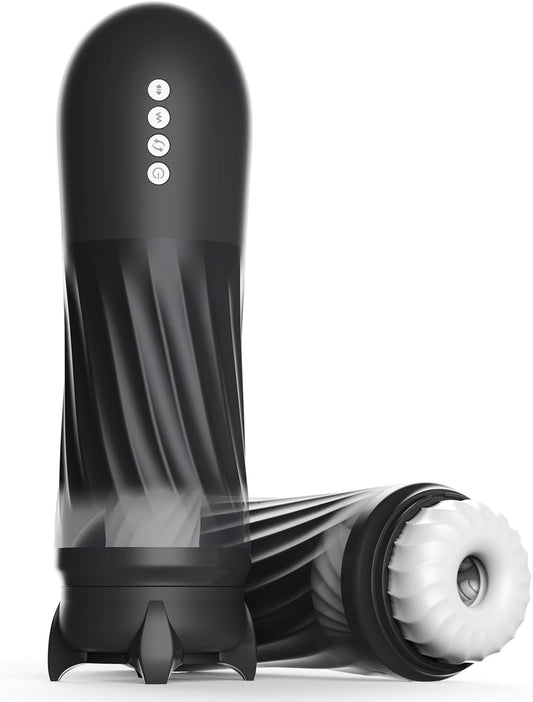
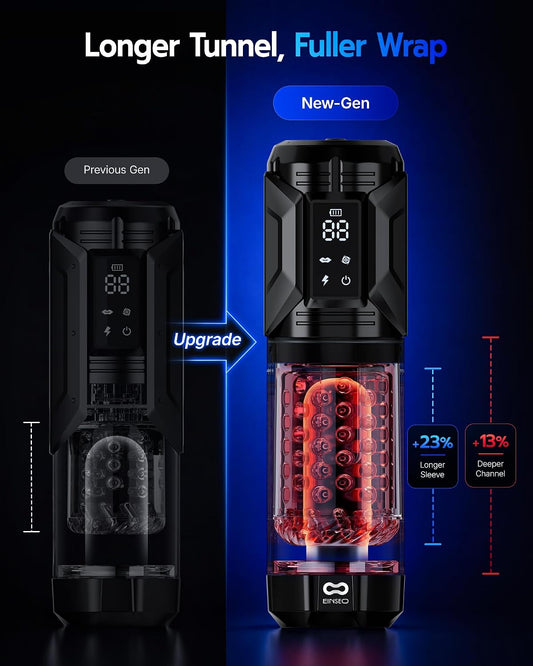
Feeling in sync starts with slowing down and truly tuning in to each other. These couples-friendly picks are designed for shared exploration — inviting you to pay attention to each other's responses, build anticipation together, and turn physical closeness into deeper emotional attunement.
💝 Recommended for You

💝 Recommended for You

💝 Recommended for You

The Bottom Line
The next time someone dismisses "two hearts beating as one" as sentimental nonsense, you can tell them the science is surprisingly on the poets' side. The hearts of people who love each other really do appear to synchronize — not through magic, but through the deep, embodied attunement that close relationships make possible.
Love, it turns out, is something your whole body participates in. The more deliberately you and your partner create shared, attentive, playful experiences, the more literally true the old cliché becomes.
The HeartCaptor Team is dedicated to sharing science-backed insights that help you build deeper intimacy and connection. Explore our collection of thoughtfully designed products to support your journey toward getting — and staying — in sync.
Tags: