










Do Committed Couples Really Have Better Sex? What Science Says About Intimacy, Satisfaction, and Smart Choices
Pop culture loves a certain storyline: single life is an endless adventure, while marriage is where passion goes to retire. It's a flattering myth for the single-and-searching crowd — but according to decades of sexual health research, it's almost exactly backwards. The science tells a warmer, more hopeful story, and it comes with practical lessons about contraception, communication, and self-acceptance that every couple can use.
The Myth of the Sexless Marriage
Large-scale studies, including the landmark National Survey of Sexual Health and Behavior, have found that married and committed couples actually have sex more often than their single counterparts — a pattern that holds across ages and genders. That's right: despite the sitcom jokes, the people most likely to be having regular sex are the ones who already have a steady partner.
Frequency is only part of the picture. Committed partners also report higher sexual satisfaction and more consistent orgasms than singles. Classic research from the University of Chicago's national sexuality studies found the same pattern: emotional commitment and sexual fulfillment tend to travel together.
Why would that be? Researchers point to several interlocking factors:
- Knowledge of each other. Long-term partners learn one another's preferences, rhythms, and boundaries — knowledge that no first date can replicate.
- Emotional safety. Trust lowers inhibition. When you feel secure, it's easier to communicate desires, laugh off awkward moments, and explore without fear of judgment.
- Opportunity and intention. Sharing a life creates natural opportunities for closeness — and couples who protect that time reap the benefits.
What This Means for Your Relationship
The takeaway isn't that commitment automatically delivers a great intimate life — it's that commitment provides the foundation on which one is built. Satisfaction still requires effort: honest conversations about what feels good, willingness to keep learning each other, and deliberate protection of quality time together.
Think of it this way: novelty excites, but intimacy satisfies. The couples reporting the most fulfilling sex lives tend to be those who treat their connection as something to actively cultivate — trying new things together, checking in regularly, and approaching the bedroom as a shared project rather than a performance.
Smart Choices: The Real Numbers on the Withdrawal Method
Another question that comes up constantly in sexual health education: how effective is the "pull-out" method, really?
The research answer surprises many people. With perfect use — meaning correct and consistent withdrawal every single time — the method is about 96% effective at preventing pregnancy over a year. That's far better than its reputation suggests.
But here's the catch: perfect use is rare for any form of contraception. Under typical use, which accounts for human error, effectiveness drops to roughly 73% — meaning about 27 out of 100 women relying on it would become pregnant within a year. And critically, withdrawal offers zero protection against sexually transmitted infections, making it a poor choice outside of mutually monogamous, tested relationships.
The lesson isn't that withdrawal is useless — it's that informed couples make better decisions. Understanding the difference between perfect and typical use, and knowing which methods protect against what, is exactly the kind of knowledge that turns anxiety into confidence.
A Note on Self-Acceptance
One more finding from the research deserves mention, because it touches so many lives: sexual orientation is not a choice, and it cannot be changed through willpower or so-called "conversion" practices. The scientific consensus is clear — attraction is shaped substantially by biology, and attempts to forcibly change it are not only ineffective but genuinely harmful.
Why does this belong in an article about couples' intimacy? Because self-acceptance is the quiet engine of every healthy intimate life. People who make peace with who they are bring more authenticity, less shame, and more openness into their relationships. Confidence — in your body, your identity, and your desires — is the most attractive quality there is.
Bringing the Science Into Your Bedroom
So what do these findings add up to? A few practical principles:
- Invest in the relationship, not just the moment. The research on satisfaction favors couples who communicate, experiment together, and prioritize connection.
- Make informed choices together. Talk openly about contraception and sexual health. Shared decisions build trust — and trust builds desire.
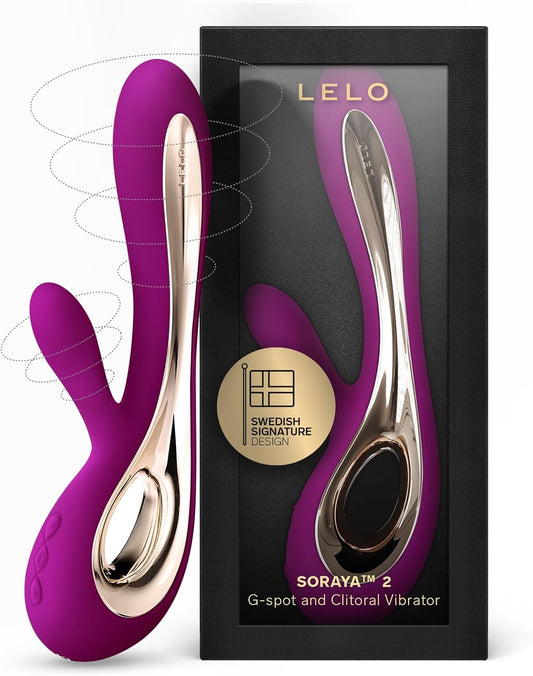
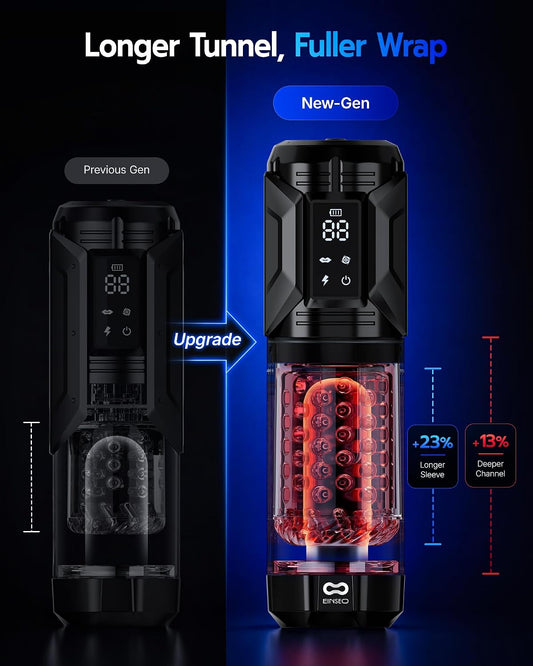
- Keep exploring. Satisfaction grows when couples stay curious. New shared experiences, from honest conversations to thoughtfully chosen intimacy products, keep the connection evolving.
The research is clear: couples who keep exploring together report the deepest satisfaction. If you're ready to invest in your shared connection, these thoughtfully designed intimacy essentials are made for exactly that kind of journey:
💝 Recommended for You

💝 Recommended for You

💝 Recommended for You

The Bottom Line
The stereotype of the bored married couple doesn't survive contact with the data. Committed partners have more sex, enjoy it more, and hold a built-in advantage: the trust and knowledge that make great intimacy possible. Pair that foundation with informed health choices and genuine self-acceptance, and you have the recipe for a deeply satisfying intimate life — one that gets better the longer you tend it.
The HeartCaptor Team shares science-backed insights to help couples build deeper connection and confidence. Explore our collection of thoughtfully designed intimacy products to support your journey together.
Tags: