









The 7 Types of Friends With Benefits: What Research Reveals About Modern Intimacy
When most people hear the phrase "friends with benefits," they picture a simple arrangement: two close friends who decide to add a physical dimension to their relationship. Hollywood has reinforced this image for years, usually with a plot twist where someone inevitably catches feelings. But according to relationship researchers, the reality of these arrangements is far more varied — and understanding that variety can teach us something valuable about communication in every kind of intimate relationship.
A study published in the Journal of Sex Research asked 177 college students to describe, in their own words, what a friends-with-benefits (FWB) relationship actually meant to them. Instead of one tidy definition, the researchers uncovered no fewer than seven distinct types of arrangements — each with its own expectations, emotional dynamics, and communication needs. Whether you're single, dating, or in a long-term partnership, the lessons here apply far beyond casual relationships.
The Seven Varieties of Friends With Benefits
1. True Friends
This is the arrangement that most closely matches the popular image: two genuinely close friends who share an ongoing physical connection. It was also the most commonly reported type in the study. What makes it work, participants suggested, is a foundation of trust and openness that predates the intimacy itself.
2. Just Sex
At the opposite end of the spectrum, some arrangements involve no real friendship at all. The connection is purely physical, with little interaction outside of it. Here, the "friendship" label is mostly a courtesy — and problems tend to arise when one person assumes more closeness than the other intends.
3. Network Opportunism
In this pattern, two people share a social circle and occasionally become intimate, often in social settings. They aren't especially close friends; they simply serve as familiar, comfortable options for one another. The shared social network adds a layer of complexity, since mutual friends are inevitably part of the picture.
4. Successful Transition In
Some people deliberately use a casual arrangement as a stepping stone toward a committed relationship — and sometimes it works. These cases show that intimacy-first pathways into romance do exist, even if they're rarely the smoothest route.
5. Unintentional Transition In
This is the movie plot: two people agree to keep things casual, and then genuine romantic feelings quietly take over — for both of them. Unlike the deliberate strategy above, neither person planned it. It simply happened.
6. Failed Transition In
Of course, not every hopeful transition succeeds. In this type, one or both partners wanted the arrangement to become a real romance, but the feelings weren't mutual or the timing never aligned. These situations tend to be the most painful, precisely because expectations went unspoken until it was too late.
7. Transition Out
Finally, some couples break up romantically but continue a physical connection afterward — at least for a while. Researchers note this is often a way of easing out of a relationship, though it can blur boundaries and delay emotional closure.
What These Seven Types Have in Common
Look across all seven categories and a striking pattern emerges: the only thing these arrangements truly share is physical intimacy. Everything else — the depth of friendship, the frequency of contact, the hopes each person carries — varies enormously. And that's exactly where trouble begins. When two people use the same label to describe very different relationships, misunderstandings are almost guaranteed.
One person may believe they're in a "true friends" arrangement built on mutual care, while the other sees it as "just sex." One partner may quietly hope for a successful transition into romance, while the other has no idea romance is even on the table. The label does none of the communicative work — only an actual conversation can.
The Real Lesson: Labels Don't Replace Conversations
This insight extends well beyond casual relationships. Couples in decades-long marriages fall into the same trap when they assume a shared label — "partner," "spouse" — means shared expectations about intimacy, affection, and desire. Research on relationship satisfaction consistently shows that couples who talk openly about their intimate lives report higher satisfaction, stronger emotional connection, and fewer festering resentments.
So what does a good conversation actually look like? A few principles stand out:
- Name your expectations early. Whether a relationship is casual or committed, saying out loud what you hope for — and what you don't — prevents the silent assumption gaps that cause the most hurt.
- Check in regularly. Feelings evolve. An arrangement that felt comfortable six months ago may feel different today. Periodic, low-pressure check-ins keep both people on the same page.
- Treat mismatches as information, not failure. Discovering that you and a partner want different things isn't a catastrophe — it's clarity. It lets both of you make honest choices.
- Prioritize emotional safety. People open up when they trust that honesty won't be punished. Responding to a partner's vulnerability with curiosity rather than defensiveness builds the kind of connection that lasts.
Keeping Intimacy Intentional
Another takeaway from this research is that intentionality matters more than structure. There is no single "correct" way to build an intimate life — what predicts satisfaction is whether both people feel seen, respected, and free to express their desires. Couples who actively nurture their connection, rather than letting it run on autopilot, tend to report more fulfilling intimate lives at every stage.
For many couples, that intentionality includes deliberately creating space for novelty and shared exploration — a dedicated date night, an honest conversation about fantasies, or trying something new together that requires a little courage and a lot of trust. The specific activity matters less than the message it sends: I'm still curious about you, and I still choose you.
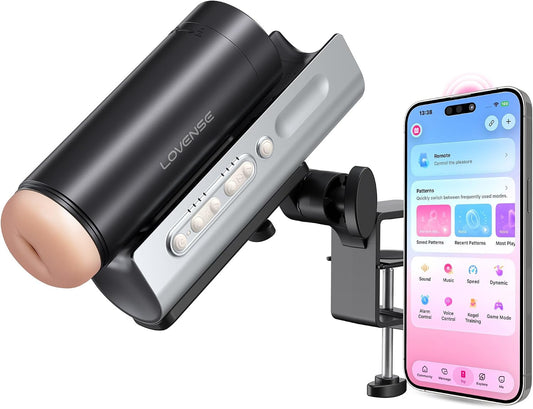
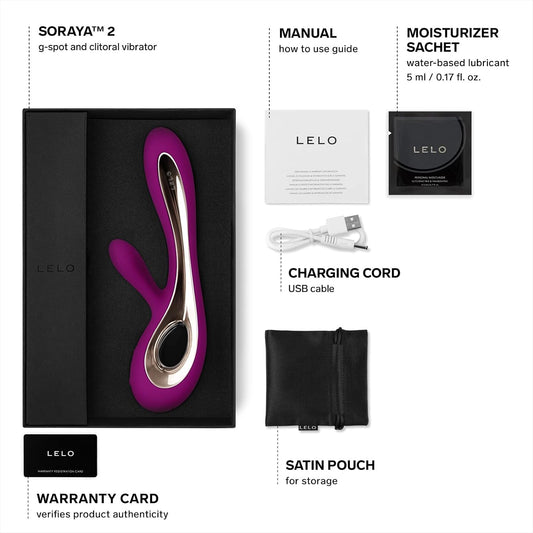
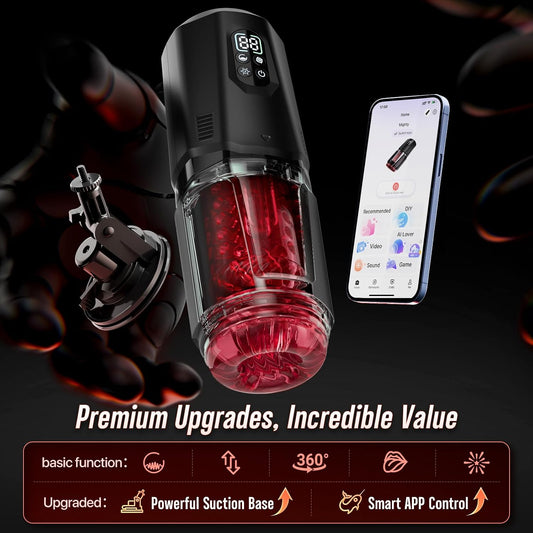
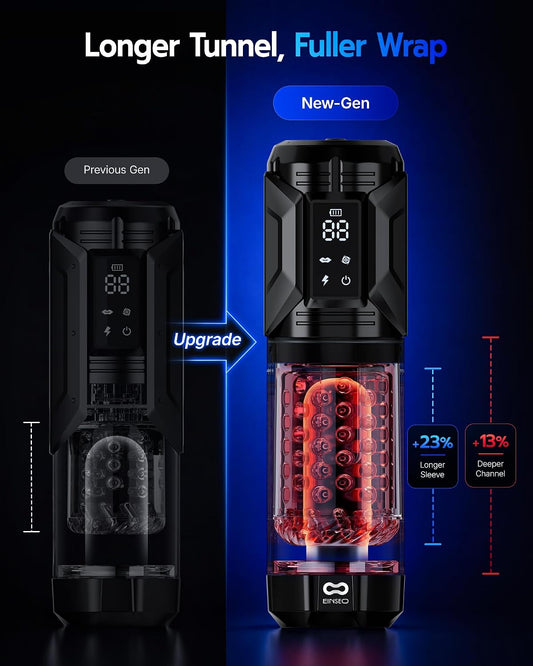
Intentional intimacy starts with honest conversation — and it grows through shared exploration. If you and your partner are ready to bring more curiosity and connection into your private time, these thoughtfully designed essentials can help you explore together with comfort and confidence:
💝 Recommended for You

💝 Recommended for You

💝 Recommended for You

The Bottom Line
Friends-with-benefits relationships turn out to be far more diverse than pop culture suggests — seven distinct varieties, each with its own emotional logic. But the deeper lesson applies to everyone: no label, however convenient, can substitute for honest conversation. The healthiest intimate relationships, casual or committed, are built by people willing to say what they want, listen to what their partner wants, and adjust together with warmth and respect.
Whether you're navigating a new connection or deepening a long-term bond, that combination — clarity, curiosity, and care — is what transforms physical closeness into genuine intimacy.
Tags:
Previous
Is Pornography Actually Harming Your Relationship? What the Science Really Says
Next
3 Common Questions About Sexual Health, Answered by Science