








3 Common Questions About Sexual Health, Answered by Science
Some questions about sexual health are so common that almost everyone has wondered about them at some point — yet many people hesitate to ask out loud. Is the G-spot actually real? When do most people have their first intimate experience? And does a satisfying intimate life have an expiration date?
These aren't awkward questions. They're the exact questions students ask sexuality educators every semester, and researchers have spent decades studying them. Here is what the science actually says — and why the answers are more reassuring than you might expect.
1. Is the G-Spot Real?
Few topics in sexual health have generated as much debate as the G-spot. Popular media treats its existence as settled fact, but scientists have been more cautious. A comprehensive review published in the Journal of Sexual Medicine examined decades of anatomical research and concluded that there is no conclusive evidence for the G-spot as a distinct anatomical structure.
Before you dismiss your own experience, though, here's the important nuance: the same researchers emphasize that many women genuinely experience intense pleasure from stimulation of the front vaginal wall. The leading scientific explanation is that this sensation likely comes from the internal portion of the clitoris. Far from being the small external structure most people picture, the clitoris is a large organ, most of which sits inside the body. During arousal, this internal erectile tissue swells and presses closer to the vaginal wall — exactly where the "G-spot" is usually described.
In other words, the pleasure is real, even if the anatomy works differently than the textbooks once claimed. The practical takeaway is liberating: there is no single magic spot you are failing to find. There is a whole internal network of sensitive tissue, and every body responds a little differently. Exploration — patient, curious, and free of pressure — matters far more than locating a precise anatomical target.
2. When Do Most People Have Their First Intimate Experience?
In the United States, the average age of first intercourse is around 17 — with men averaging slightly younger (16.9) than women (17.4), according to data from the Guttmacher Institute. But averages hide enormous variation. Cross-cultural research shows how strongly context shapes these timelines: in China, for example, the median age of first intimacy is 22 for women and 24 for men.
The deeper lesson here is that there is no "right" schedule. Averages describe populations, not individuals. Your first experience is shaped by your values, your culture, your relationships, and your readiness — and readiness is the only variable that truly matters. Research on sexual well-being consistently shows that feeling respected, safe, and genuinely willing predicts positive experiences far better than any particular age.
If you're comparing yourself to a statistic, consider this permission to stop. A fulfilling intimate life is not a race with a starting gun. It is a journey that begins when you are ready — and continues evolving for decades afterward.
3. Can Intimacy Still Thrive After 50?
Absolutely — and this may be the most encouraging finding of all. National survey data shows that adults over 50 remain intimately active in a wide variety of ways. Yes, frequency tends to decrease with age, and the likelihood of challenges like erectile difficulties or reduced natural lubrication increases. These are normal physiological changes, not verdicts.
But here's the finding that surprises almost everyone: a study published in the American Journal of Medicine found that among older women, sexual satisfaction actually increased with age. How is that possible? Researchers point to several factors: greater self-knowledge, more confidence communicating needs, freedom from pregnancy concerns, and relationships deepened by years of shared trust. Satisfaction, it turns out, depends less on frequency or performance than on connection, comfort, and communication.
Adapting to a changing body is part of the journey. Longer warm-up times, quality lubricants, and thoughtfully designed wellness devices can all help partners stay connected and comfortable. Couples who approach these changes with curiosity rather than anxiety often discover that their intimate lives become richer, not poorer, with time.
What All Three Answers Have in Common
Step back, and a single theme connects every one of these questions: your intimate well-being is not determined by anatomy trivia, statistics, or birthdays. It is shaped by self-knowledge, honest communication, and a willingness to keep learning about your own body and your partner's.
That means the most valuable investment you can make in your intimate health is curiosity. Learn how your body actually works. Talk openly with your partner about what feels good and what you would like to explore. And when you want support in that exploration, choose tools designed with comfort, quality, and body-safe materials in mind.
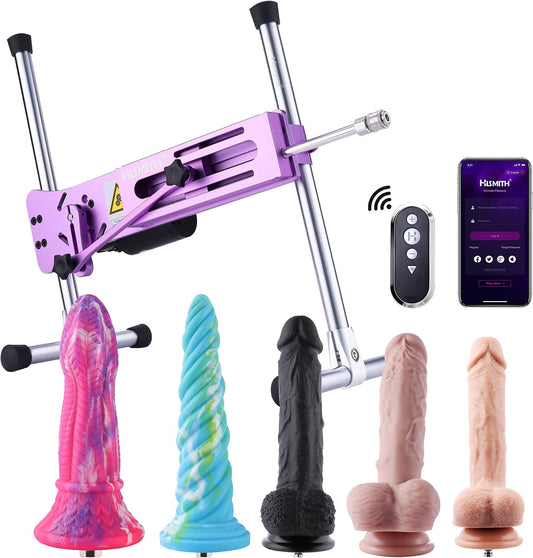
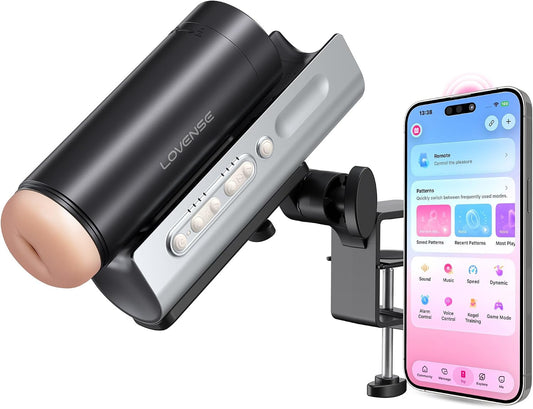
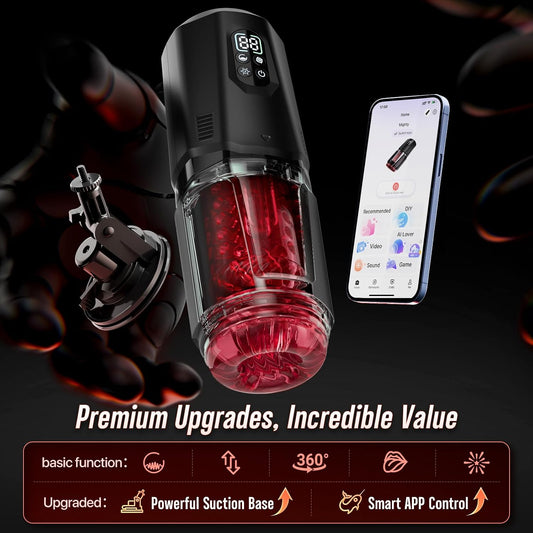
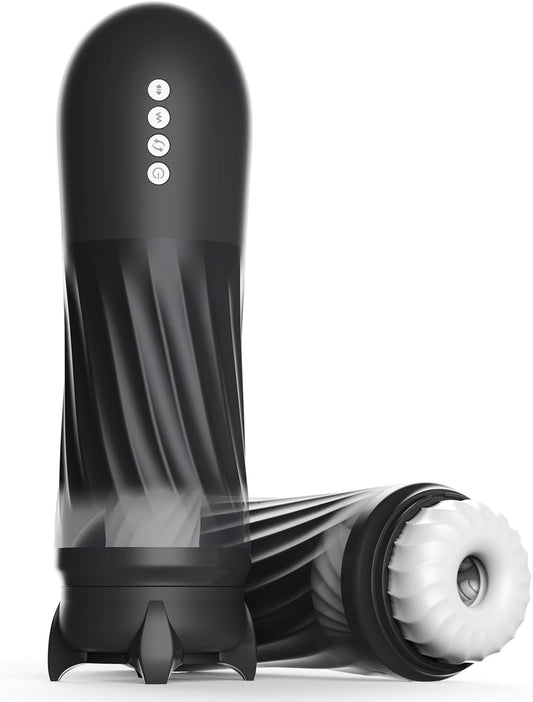
Curiosity is the thread that runs through all of this research — and the right tools can make exploring your own body or reconnecting with a partner more comfortable and rewarding at any age. Here are a few thoughtfully designed essentials that pair naturally with a spirit of discovery:
💝 Recommended for You

💝 Recommended for You

💝 Recommended for You

The Bottom Line
The G-spot debate reminds us that pleasure is real even when anatomy is complicated. The statistics on first experiences remind us that readiness matters more than timing. And the research on aging reminds us that satisfaction can deepen for a lifetime. Whatever stage of the journey you are on, science points to the same advice: stay curious, communicate openly, and treat your intimate health as something worth investing in — because it is.
The HeartCaptor Team shares science-backed insights to help you build deeper connection and confidence. Explore our collection of thoughtfully designed intimate wellness products to support your journey at every stage of life.
Tags: