









The Science of Sexual Healing: How Intimacy Reduces Stress in Relationships
When life gets overwhelming, many of us instinctively reach for familiar comforts — a warm bath, a favorite meal, or a good night's sleep. But research suggests that one of the most powerful stress relievers may already be part of your relationship: sexual intimacy with your partner.
The idea that sex can heal stress isn't just pop culture mythology popularized by Marvin Gaye's classic hit. A peer-reviewed study published in the Journal of Social and Personal Relationships found compelling evidence that sexual activity genuinely reduces stress — but with one important condition.
What the Research Reveals About Sex and Stress
In a carefully designed study, 75 heterosexual men and women living with romantic partners kept daily diaries for 18 consecutive weekdays. Each evening, participants recorded their stress levels from the past 24 hours and noted whether they had engaged in sexual intercourse that day.
The findings were striking:
- Stress predicted sexual activity. After experiencing a high-stress day, participants were more likely to have sex the following day — suggesting that couples intuitively turn to physical intimacy as a coping mechanism.
- Sex reduced next-day stress. When a stressful day was followed by sexual intimacy, participants reported significantly lower stress the next morning. When high stress was not followed by sex, stress levels remained elevated.
- Relationship satisfaction was the key. This stress-reducing effect appeared only for couples who reported being satisfied with their relationship. For those in dissatisfied partnerships, sex did not produce the same calming benefit.
In other words, sex functions as a form of "sexual healing" — but only when it takes place within a relationship that already feels emotionally safe and connected.
Why Relationship Quality Matters
These findings align with broader research in attachment science and stress physiology. When we feel securely attached to a partner, physical closeness triggers the release of oxytocin — sometimes called the "bonding hormone" — which counteracts the body's stress response. Cortisol levels drop, heart rate variability improves, and the nervous system shifts from a fight-or-flight state toward rest and recovery.
But in relationships marked by tension, unresolved conflict, or emotional distance, physical intimacy may fail to activate this soothing pathway. The body doesn't distinguish between "good" and "bad" touch in a vacuum — context and emotional safety shape the physiological response.
This is why simply "having more sex" isn't a universal stress remedy. The quality of the emotional connection underneath the physical act determines whether it becomes a source of healing or another stressor.
Practical Ways to Use Intimacy for Stress Relief
If you and your partner want to harness the stress-reducing power of physical intimacy, consider these research-informed strategies:
- Prioritize emotional connection first. Before turning to physical intimacy during stressful periods, check in with each other emotionally. A brief conversation about how you're both feeling can create the safety needed for touch to become genuinely restorative.
- Don't wait for stress to become overwhelming. The study found that couples often turned to sex after a high-stress day. Building regular intimate connection — even small gestures like cuddling, holding hands, or a lingering kiss — can create a buffer against accumulated stress.
- Expand your definition of intimacy. While the study focused on intercourse, the stress-relieving benefits of physical closeness likely extend to other forms of intimate touch. What matters most is mutual presence and connection.
- Address relationship dissatisfaction proactively. If sex isn't providing the stress relief you'd expect, it may be a signal that underlying relationship issues need attention. Couples counseling or open communication about needs and expectations can rebuild the foundation that makes physical intimacy truly healing.
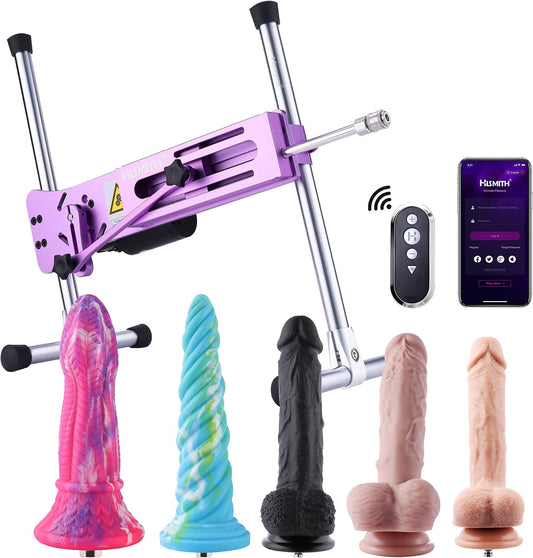
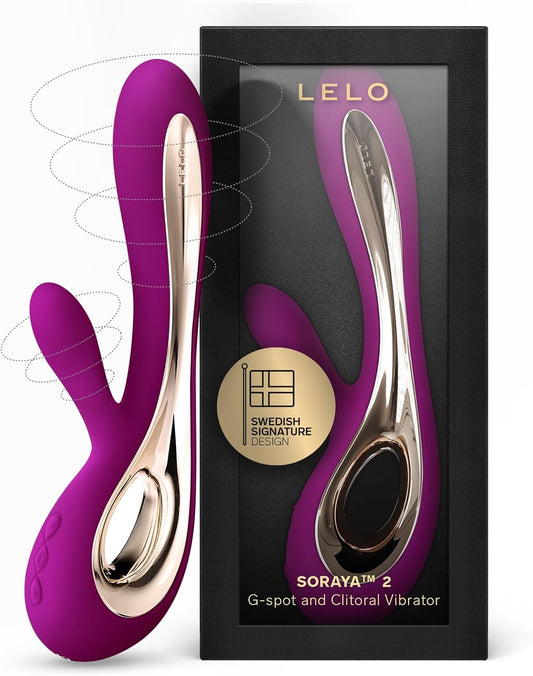
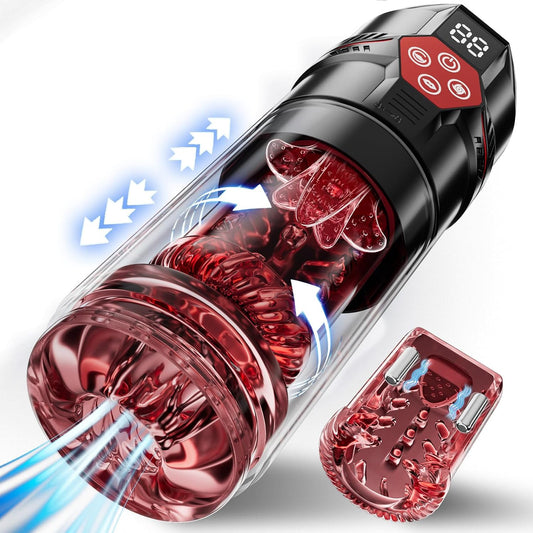
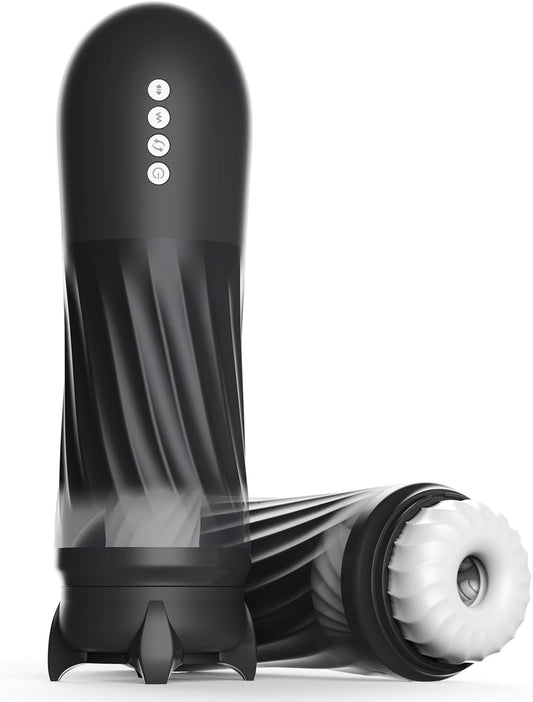
Deepening physical intimacy with your partner is one of the most natural ways to unwind together. These thoughtfully designed products can help you and your partner explore new dimensions of connection, making your shared time even more restorative and memorable.
💝 Recommended for You

💝 Recommended for You

💝 Recommended for You

The Bigger Picture: Intimacy as Self-Care
We often think of stress management in individual terms — meditation, exercise, therapy. But this research reminds us that for people in committed relationships, shared physical connection can be one of the most accessible and effective stress-relief tools available.
The key takeaway isn't that sex is a magic cure for stress. It's that a satisfying relationship creates a biological environment where physical intimacy becomes genuinely restorative. When both partners feel emotionally safe, seen, and valued, touch becomes more than pleasure — it becomes a form of mutual healing.
If you're looking to deepen that connection with your partner, exploring new ways to share intimate experiences can be a meaningful step. Whether that means setting aside dedicated time for closeness, trying something new together, or simply being more present during the moments you already share, the science is clear: connection is one of the best antidotes to stress that we have.
Tags: