



Performance Anxiety and Erectile Dysfunction: How the Mind-Body Connection Shapes Sexual Confidence
Few experiences are as quietly devastating as losing confidence in your own body's ability to respond during intimacy. One difficult night can plant a seed of worry that grows into a persistent fear — and that fear, ironically, becomes the very thing that makes the problem worse. This is the paradox of performance anxiety, and it is one of the most common yet least discussed factors behind erectile dysfunction (ED).
Understanding how the mind and body interact during sexual arousal can help break this cycle. The science is clear: performance anxiety is not a character flaw, and ED is not always a physical problem. With the right knowledge and tools, confidence can be rebuilt.
The Anxiety-Erection Feedback Loop
Sexual arousal depends heavily on the parasympathetic nervous system — the branch of your nervous system responsible for rest, relaxation, and receptivity. When this system is activated, blood flow to the penis increases, supporting a natural erection. It is a process that works best when the mind is at ease.
But anxiety activates a different system entirely. The sympathetic nervous system — your body's stress response — floods the body with adrenaline and cortisol. These hormones constrict blood vessels and redirect blood flow away from non-essential functions. In other words, the very act of worrying about performance triggers a physiological state that makes performance more difficult.
This creates what researchers call a self-fulfilling prophecy. A phenomenon known as "spectatoring" — monitoring yourself during sex as if you were an outside observer — fuels anxiety about whether your body will cooperate. That anxiety triggers the stress response, which interferes with arousal, which confirms the fear, which creates even more anxiety the next time. The loop tightens with each encounter.
ED Is Not Just an Older Man's Problem
One of the most important findings in recent sexual health research is that erectile dysfunction is far more common among younger men than most people realize. Data from the 2021 National Survey of Sexual Wellbeing revealed that approximately 17.9% of men aged 18–24 and 13.3% of men aged 25–34 meet the diagnostic criteria for ED.
While these rates are lower than those observed in men over 45, they make clear that ED is not exclusively a condition of aging. For younger men, the contributing factors tend to be psychological rather than vascular: stress, anxiety, depression, sleep problems, relationship difficulties, and performance pressure all play significant roles.
Research also suggests that gay men may face elevated risk due to heightened performance-based sexual expectations within certain contexts. This underscores that performance anxiety is not limited by orientation or age — it is a human response to pressure.
Why the Mind-Body Connection Matters
The key insight from this research is that erectile function is not simply a mechanical process. It is a psychophysiological event that requires the coordination of mental state, emotional safety, and physical health. When any one of these elements is disrupted, the entire system can falter.
This is both the challenge and the opportunity. The challenge is that treating only the physical symptoms — without addressing the anxiety that triggered them — may provide temporary relief but not lasting resolution. The opportunity is that interrupting the anxiety cycle can restore natural function without necessarily requiring medical intervention.
Several evidence-based strategies can help:
- Mindfulness and present-moment focus. Rather than monitoring your body's response, practice directing attention to sensory experience — touch, warmth, breath, connection with your partner. This reduces spectatoring and re-engages the parasympathetic system.
- Open communication with your partner. Research consistently shows that couples who discuss sexual concerns without judgment report higher satisfaction. Naming the anxiety out loud often reduces its power.
- Removing the goal-oriented mindset. When sex becomes a "test" with a pass/fail outcome, pressure increases. Shifting focus from performance to pleasure — from outcome to experience — can break the performance-demand cycle.
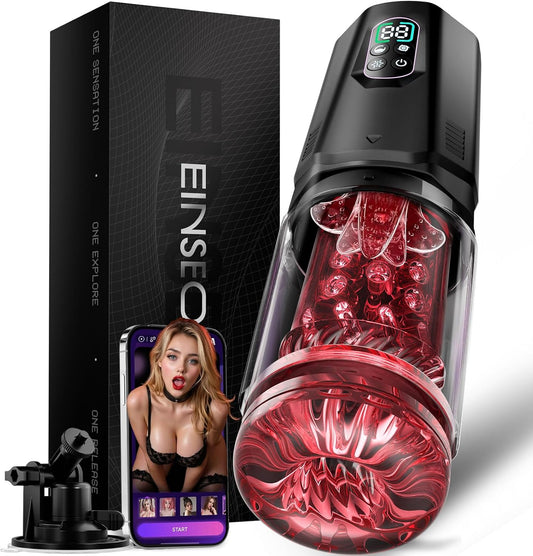
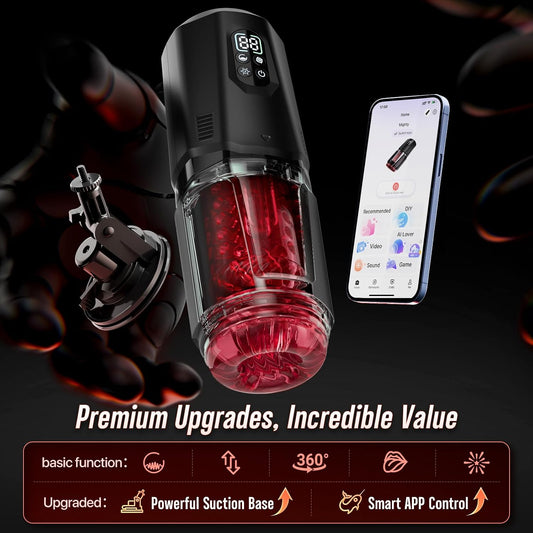
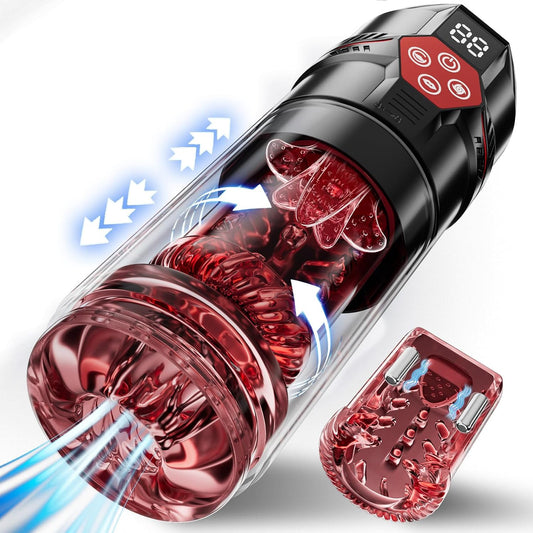
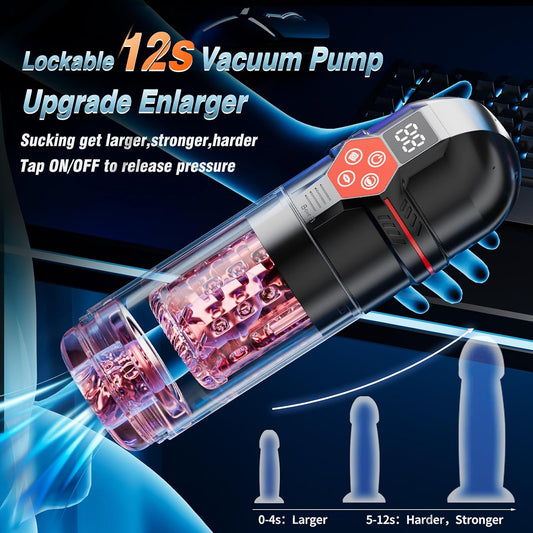
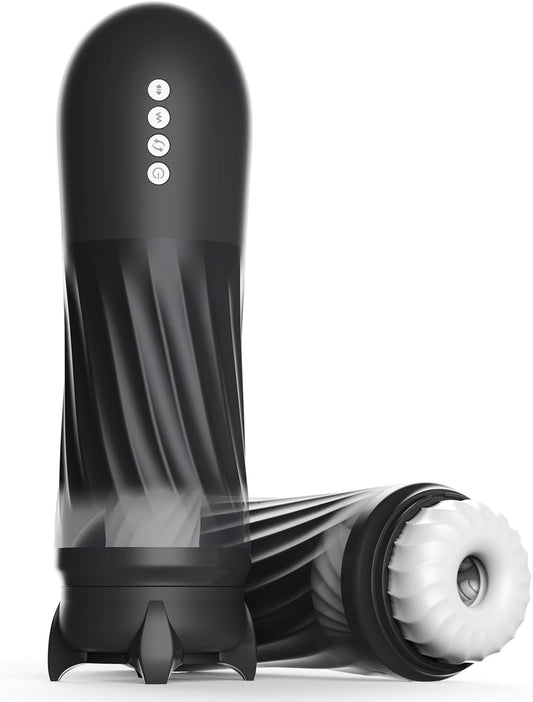
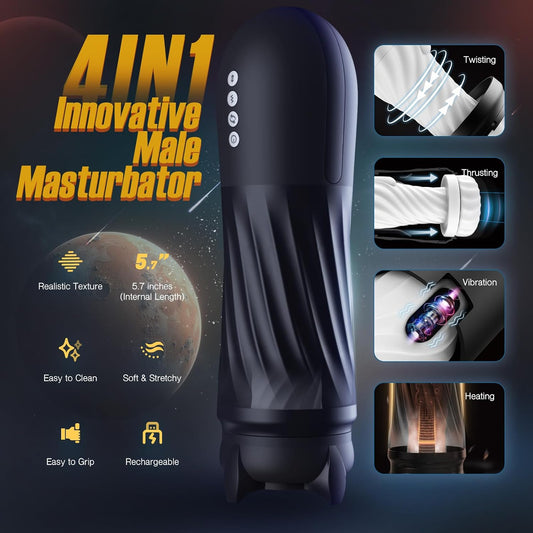
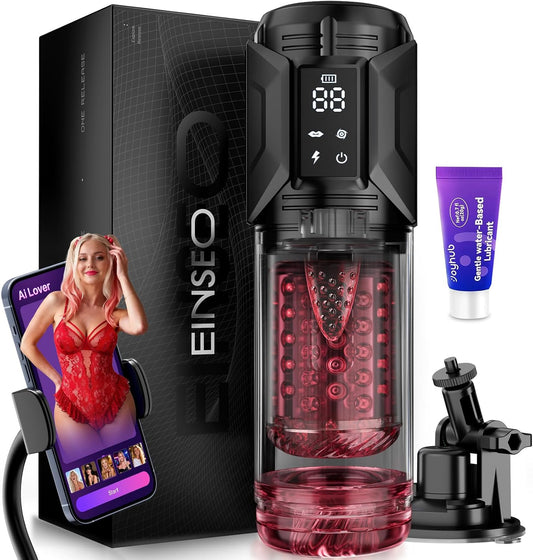
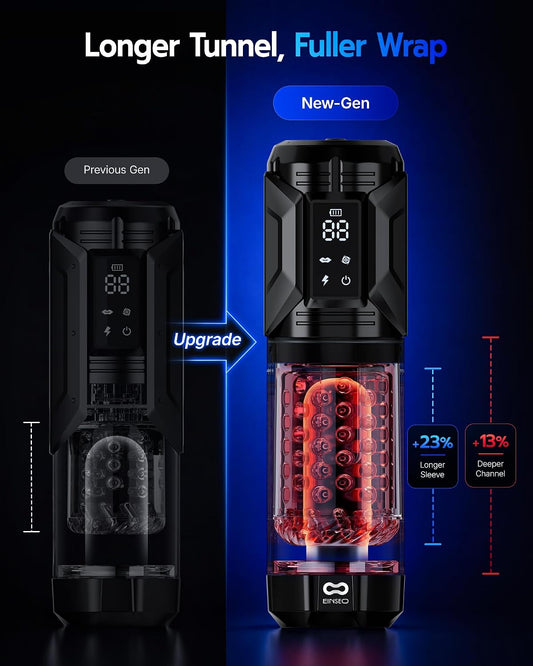
- Building physical confidence. Some men find that using wellness devices designed for stamina training helps restore a sense of control. When the body feels more reliable, the mind has less reason to worry.
When to Consider Professional Support
Modern treatment options for ED have expanded significantly. Medical approaches — including fast-acting sublingual treatments — can address the physical component by making erectile response more predictable. For some men, this physical confidence is enough to interrupt the anxiety cycle.
However, medication addresses symptoms, not causes. If performance anxiety persists or if anxiety is affecting your intimate life more broadly, working with a therapist or sex therapist can be transformative. Cognitive-behavioral approaches, in particular, have strong evidence for helping individuals reframe anxious thought patterns and rebuild confidence.
The most effective approach often combines both: addressing the physical response while simultaneously working on the psychological patterns that created the problem in the first place.
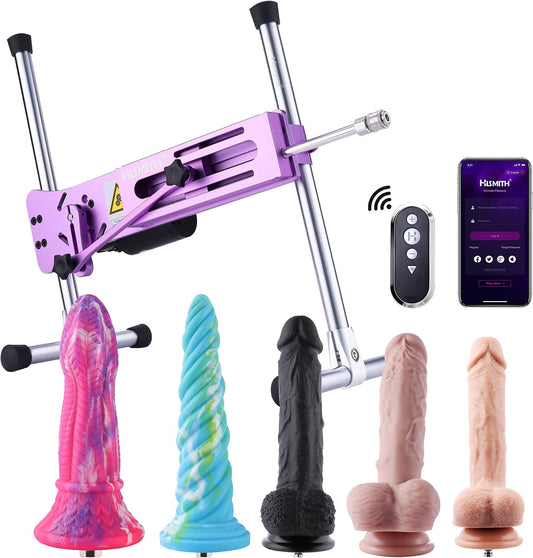
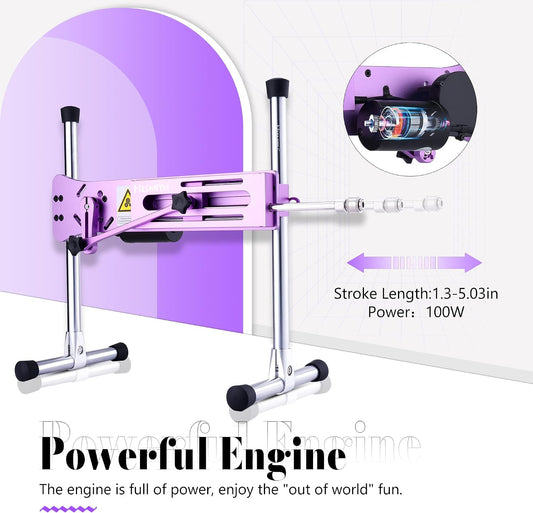
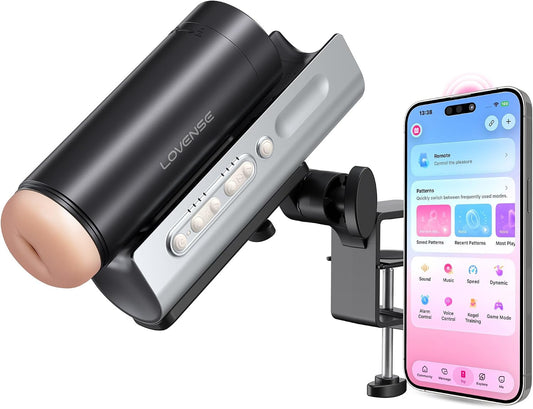
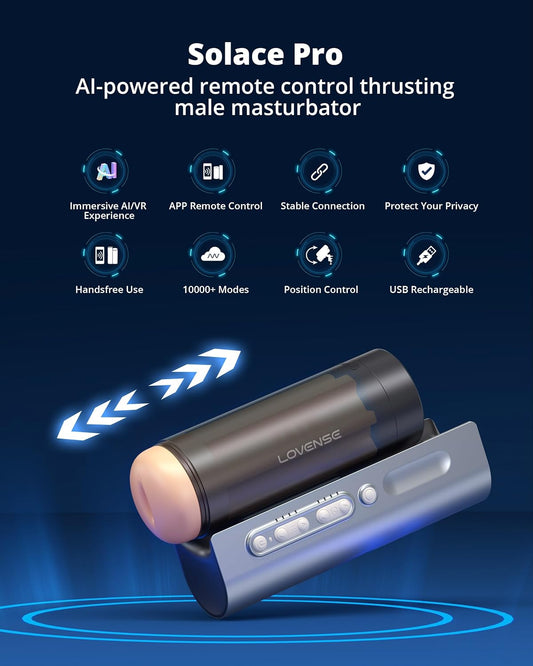
Rebuilding sexual confidence is a journey that benefits from both knowledge and the right tools. For men looking to take an active role in their intimate wellness, these thoughtfully designed devices can support stamina conditioning and help restore a sense of physical reliability:
Rebuilding sexual confidence is a journey that benefits from both knowledge and the right tools. For men looking to take an active role in their intimate wellness, these thoughtfully designed devices can support stamina conditioning and help restore a sense of physical reliability:
💝 Recommended for You

💝 Recommended for You

The Bottom Line
Performance anxiety is not a sign of weakness — it is a sign that your nervous system is doing exactly what it was designed to do: responding to perceived threat. The problem is not the response itself, but the feedback loop it creates. By understanding the mind-body connection, communicating openly with your partner, and exploring both psychological and physical approaches to confidence, you can break the cycle.
Erectile dysfunction is treatable, and the path forward often begins with a single step: acknowledging that the mind and body are not separate when it comes to intimacy. They are partners in the same experience — and when both are supported, confidence follows naturally.
The HeartCaptor Team shares science-backed insights to help you build deeper connection and confidence. Explore our collection of thoughtfully designed intimate wellness products to support your journey toward a healthier, more fulfilling intimate life.
Tags: