

Self-Care During Menopause: How Intimate Wellness Practices Can Ease Symptoms
Menopause marks a significant transition in a woman's life, bringing changes that can affect physical comfort, emotional well-being, and overall quality of life. While hormone replacement therapy remains the gold standard for managing symptoms, emerging research suggests that self-pleasure practices may offer meaningful complementary benefits for women navigating this life stage.
Understanding Menopause and Its Challenges
The menopause transition typically unfolds in three stages. Premenopause refers to the years before hormonal changes begin. Perimenopause—the phase most people mean when they say 'menopause'—is when menstrual cycles become irregular and hormone levels fluctuate. Postmenopause begins after twelve consecutive months without a period.
During perimenopause and postmenopause, women commonly experience sleep difficulties, mood changes including irritability and anxiety, vaginal dryness, and physical discomfort. These symptoms can significantly impact daily life, relationships, and overall well-being. While many women turn to exercise, healthy eating, and stress reduction techniques, research from the Kinsey Institute suggests there may be another tool worth considering.
What the Research Shows
A comprehensive study surveyed 1,500 women aged 40-65 about their self-pleasure practices across different menopause stages. The findings revealed that regardless of menopause status, most women had engaged in self-pleasure within the past year—66.5% of premenopausal women, 73% of perimenopausal women, and 56% of postmenopausal women.
When asked why they engaged in self-pleasure, participants cited obvious reasons like sexual pleasure and relaxation. But many also reported using it to help with sleep, relieve tension, reduce stress and anxiety, and even ease physical pain—all common menopause symptoms.
A follow-up study focused specifically on symptom relief asked women whether they had noticed that self-pleasure affected specific menopause symptoms. Among perimenopausal women, 46% reported improvement in at least one symptom. Among postmenopausal women, 32% noticed similar benefits. The most commonly reported improvements included better mood, enhanced sexual desire and pleasure, improved sleep, pain relief, reduced hot flashes, and increased vaginal lubrication.
The Role of Orgasm and Intimate Wellness Devices
Perhaps the most compelling findings came from an intervention study that examined how different forms of self-pleasure affected menopause symptoms. Women first abstained from self-pleasure for several weeks, then engaged in self-pleasure using their preferred methods, and finally used a clitoral air-pulse stimulation device.
All forms of self-pleasure were associated with lower symptom reports compared to the abstinence phase. However, the most significant benefits occurred after using the air-pulse device. After four weeks of use, nearly 93% of participants reported experiencing at least one menopause symptom less frequently.
Women who achieved orgasm regularly reported greater improvement than those with orgasm difficulties, suggesting that orgasm itself may play a key role in symptom reduction. While partnered sex can provide similar benefits, self-pleasure offers unique advantages for menopausal women: it doesn't require a partner, can be done anytime, and remains fully within one's own control.
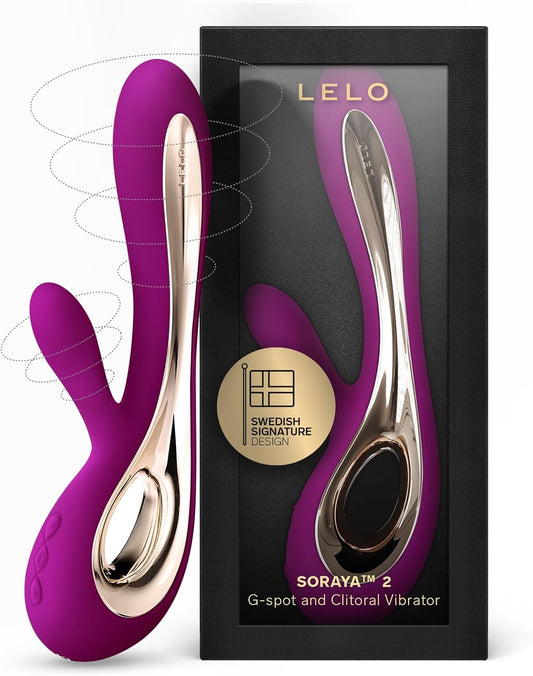
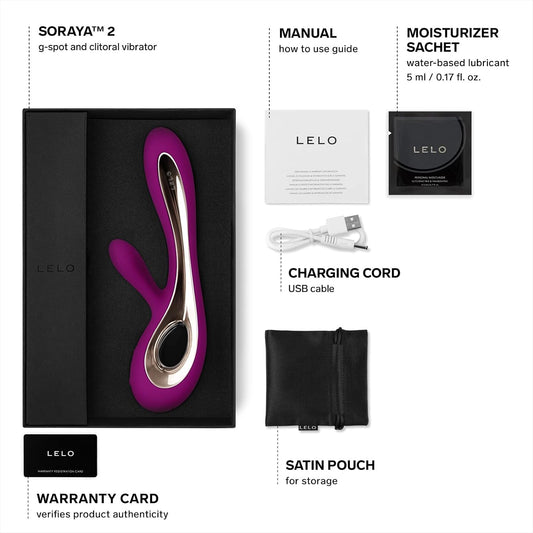
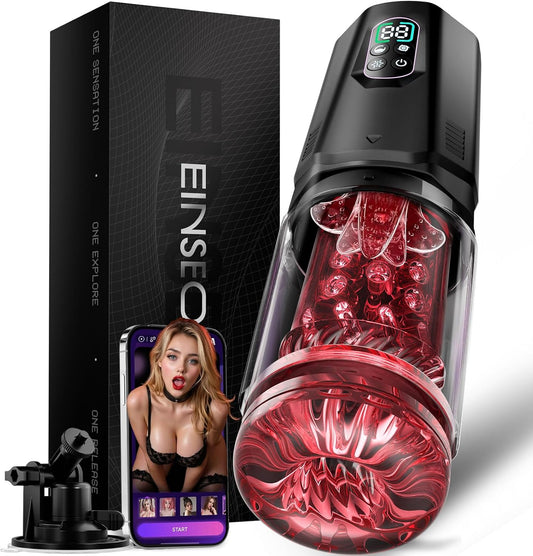
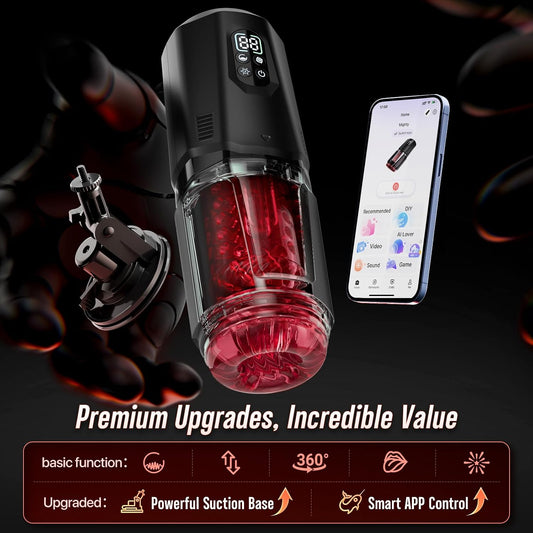
For women exploring self-pleasure as part of menopause symptom management, the right intimate wellness device can make a meaningful difference. Air-pulse and clitoral stimulation devices offer gentle, consistent stimulation that many women find particularly effective for promoting relaxation, improving sleep, and enhancing overall well-being during this life transition.
💝 Recommended for You

💝 Recommended for You

💝 Recommended for You

A Complementary Approach to Symptom Management
It's important to note that self-pleasure is not a replacement for medical care or hormone replacement therapy when needed. Rather, it appears to be a valuable complementary practice. For example, hormone replacement can improve vaginal health, which may make self-pleasure more comfortable and open the door to further benefits from orgasm.
Self-pleasure also offers an accessible, no-cost option for women who lack access to hormone replacement or other forms of menopausal healthcare. Given that masturbation carries no financial burden and minimal health risks, it represents a potentially valuable tool for making menopausal care more accessible.
Embracing Self-Care During Transition
The menopause transition affects every woman differently, and what works for one person may not work for another. However, the research suggests that self-pleasure deserves consideration as part of a comprehensive approach to managing menopause symptoms.
Three major symptoms that may benefit include sleep difficulties, psychological symptoms like mood swings and irritability, and physical symptoms such as vaginal dryness. Since many women experience at least one of these symptoms during menopause, exploring ways to lessen their impact is important.
If you're navigating menopause and looking for additional ways to support your well-being, consider discussing self-pleasure with your healthcare provider. Combined with other healthy practices and appropriate medical care, it may help you maintain comfort, connection, and quality of life during this natural transition.
Tags: